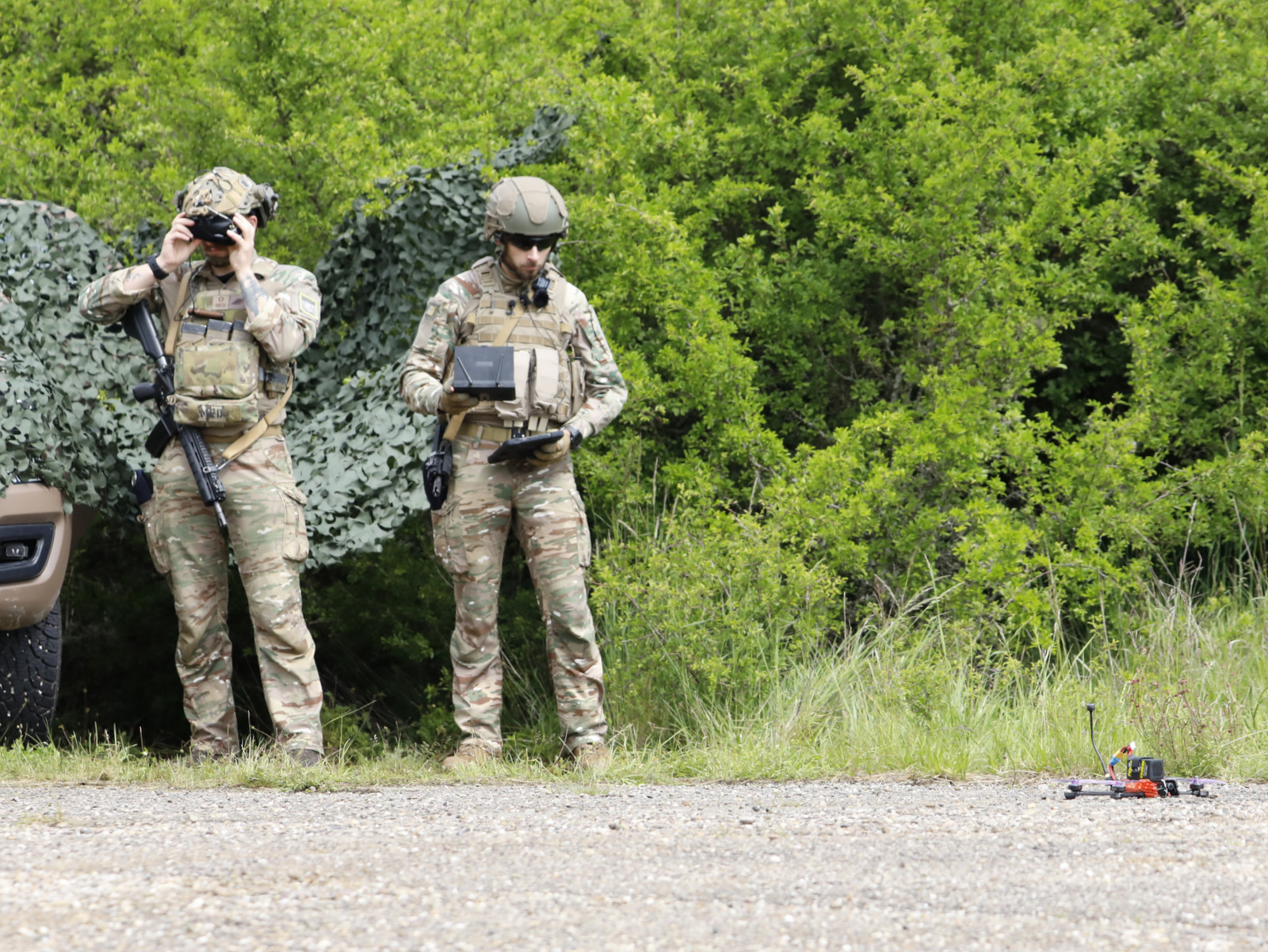
“When I put on the mask, I no longer exist in this reality,” Chief Cpl. Clément said after completing the course.
NATO forces, including the French Army, are actively integrating drone technology into tactical training and competition, reflecting an accelerated adoption of unmanned systems in contemporary military doctrine following lessons from recent conflicts.
The widespread adoption of FPV drones and associated skills by NATO members signifies a fundamental shift in battlefield capabilities and personnel training, directly impacting military effectiveness and strategic planning.
Military forces are rapidly professionalizing drone piloting and FPV racing techniques, moving beyond niche special operations to broad infantry application, thereby democratizing advanced technological warfare skills.
- · Drone manufacturers
- · Military technology developers
- · NATO forces
- · Individual soldiers with gaming/piloting skills
- · Traditional C4ISR systems
- · Forces reliant on legacy reconnaissance methods
Increased demand for FPV drone technology and training programs across NATO militaries.
Development of countermeasures and electronic warfare systems specifically designed to neutralize small, agile FPV drones.
Enhanced interoperability and shared tactical doctrines among NATO allies regarding drone deployment and counter-drone operations.
This signal links to a primary source. Continuum Brief monitors and indexes it as part of the live intelligence stream — we do not republish source content.
Read at C4ISRNET