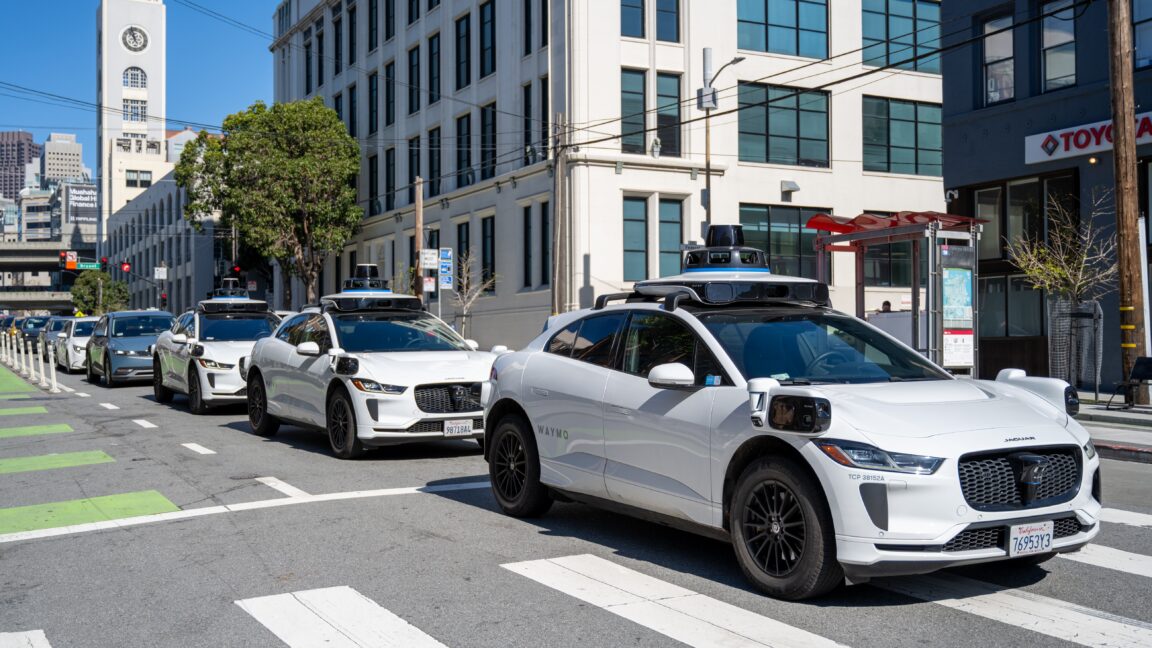
Data shows Waymo's robotaxis are empty for almost half of the miles they drive.
The increased deployment of autonomous vehicles, particularly Waymo's robotaxis, provides sufficient operational data to begin evaluating their real-world impact on widely anticipated benefits like traffic reduction.
This data challenges a core premise of autonomous vehicle adoption, suggesting that current implementations may exacerbate rather than alleviate urban congestion and resource consumption.
The perceived efficiency and societal benefits of autonomous vehicles, particularly shared robotaxi fleets, are being re-evaluated, potentially influencing regulatory frameworks and investment strategies.
- · Public transport advocates
- · Ride-sharing companies (non-AV)
- · Urban planners focused on traditional infrastructure
- · Autonomous vehicle manufacturers
- · Investors in AV technology
- · Cities planning AV-centric infrastructure
Slower autonomous vehicle adoption rates by cities and consumers due to perceived inefficiency and environmental concerns.
Increased pressure on AV companies to optimize fleet utilization and address operational inefficiencies to prove their value proposition.
Potential for new regulations or taxation on underutilized autonomous vehicle fleets, shifting the economic burden of their operation.
This signal links to a primary source. Continuum Brief monitors and indexes it as part of the live intelligence stream — we do not republish source content.
Read at Ars Technica — Cars