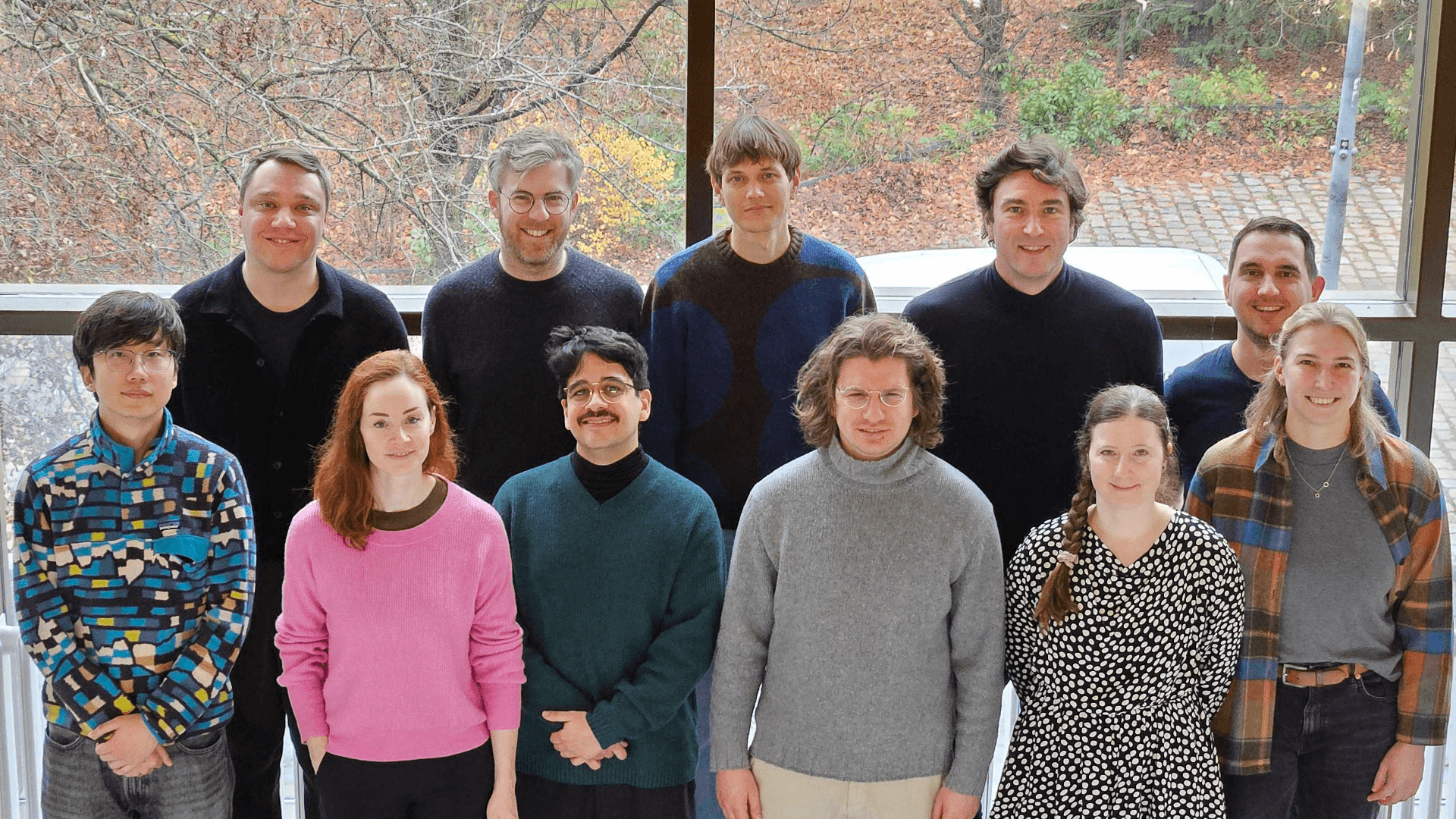
Berlin-based reverse.fashion, a startup developingAI-powered textile sorting technology, has secured a seven-figure extension toits pre-seed funding round from High-Tech Gründerfonds (HTGF).Founded in...
The increasing focus on environmental sustainability and circular economy principles, combined with advancements in AI, makes this an opportune moment for innovation in textile recycling.
This development signals progress in automating complex sorting processes for waste, a critical bottleneck in achieving sustainable supply chains and reducing environmental impact, particularly in high-volume industries like fashion.
The application of AI in textile sorting makes large-scale textile recycling more efficient and economically viable, shifting the paradigm from linear to circular models in the fashion industry.
- · reverse.fashion
- · Sustainable Fashion Industry
- · AI Development Companies
- · Textile Recycling Companies
- · Traditional Waste Management
- · Fast Fashion brands reliant on virgin materials
Increased availability of high-quality recycled textiles for garment manufacturing.
Reduced demand for virgin textile fibers, leading to a decrease in raw material extraction and processing.
New business models emerging around 'textile as a service' or closed-loop fashion systems enabled by efficient recycling.
This signal links to a primary source. Continuum Brief monitors and indexes it as part of the live intelligence stream — we do not republish source content.
Read at Tech.eu