Between Beijing and the Budget: The Domestic Realities of Taiwan’s Defense Spending Drama
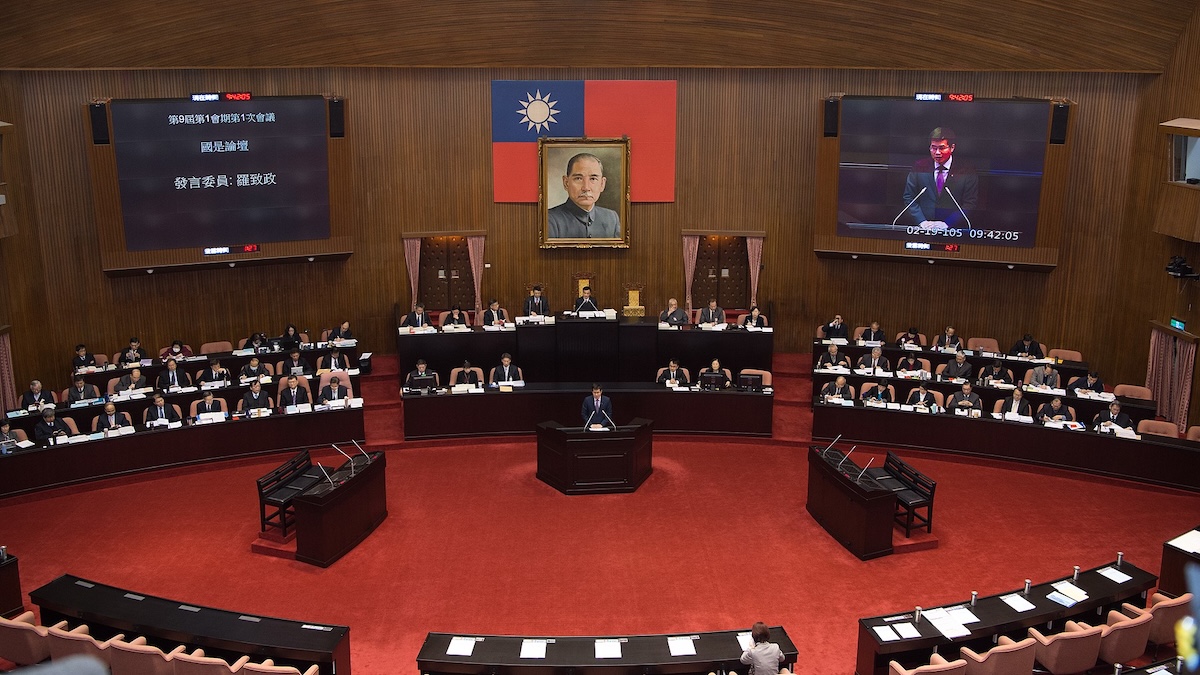
On May 8, Taiwan’s Legislative Yuan broke a grueling six-month stalemate by passing a landmark $25 billion defense budget, catching many observers off guard. The vote brought sudden end to an agonizing legislative deadlock that had pushed U.S.-Taiwanese relations to the edge. For months, long-simmering frustration in Washington over Taiwan’s defense trajectory has threatened to boil over, catalyzed by an unprecedented bipartisan open letter from U.S. senators, demanding that Taiwan authorize the pending defense packages. The optics grew even more fraught as Cheng Li-wun, the newly elected chai
Taiwan's Legislative Yuan just broke a six-month stalemate by passing a significant defense budget, ending intense pressure from the US.
This development signals a critical, albeit forced, commitment by Taiwan to bolster its defense capabilities, directly impacting US-Taiwanese relations and regional stability.
Taiwan's defense spending trajectory is now aligned with US expectations, indicating a more robust and immediate procurement of defense systems and a reduction in diplomatic friction.
- · Taiwan's defense capabilities
- · US arms manufacturers
- · US-Taiwan relations
- · Regional security hawks
- · Chinese military strategists
- · Taiwanese political factions opposing higher defense spending
Taiwan will proceed with significant defense procurements, strengthening its deterrent posture.
This could lead to increased military exercises and cooperation between the US and Taiwan, potentially escalating tensions with China.
China might respond with intensified economic or military pressure on Taiwan, leading to a more volatile cross-strait environment.
This signal links to a primary source. Continuum Brief monitors and indexes it as part of the live intelligence stream — we do not republish source content.
Read at War on the Rocks