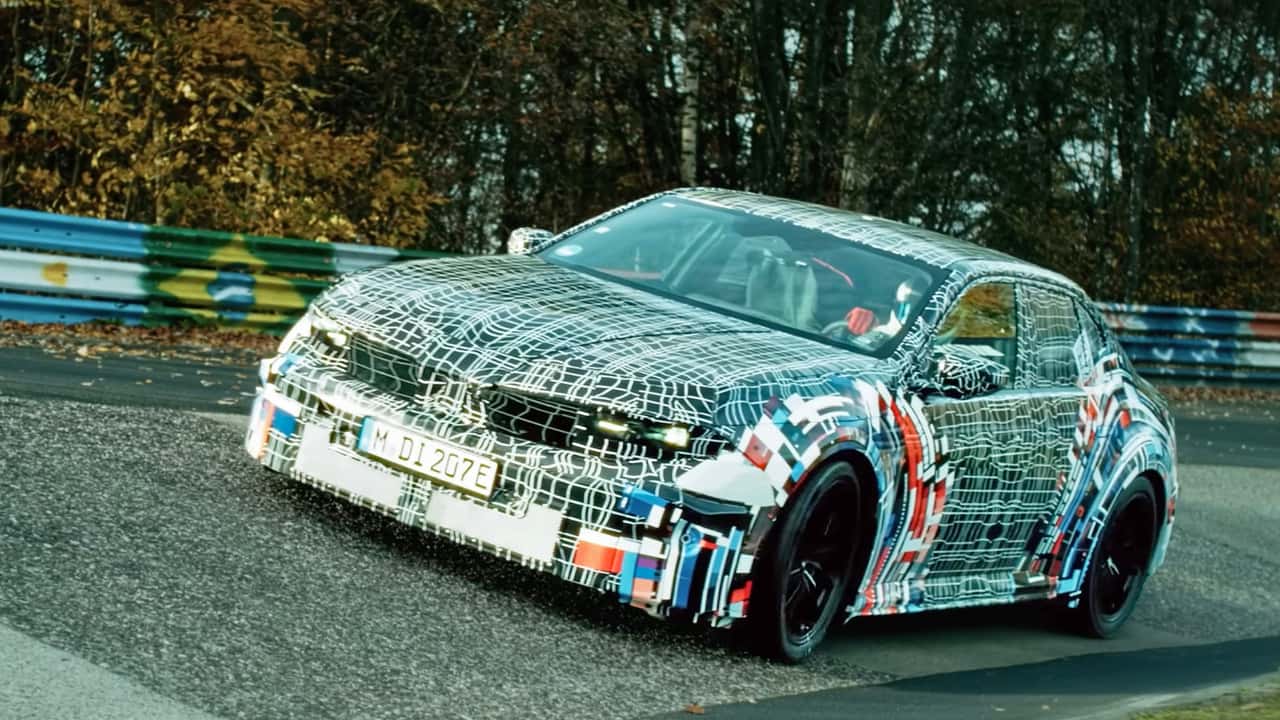
The goal isn’t to copy a V8, V10 or straight-six, but to give drivers the speed and acceleration cues that EVs usually lack.
As the automotive industry transitions to electric vehicles, manufacturers are actively seeking ways to differentiate offerings and replicate or enhance the visceral experience of traditional performance vehicles.
This highlights a strategic shift in how performance is defined and delivered in the EV era, moving beyond pure power figures to focus on sensory and emotional driver engagement.
Automakers are increasingly investing in software and acoustic engineering to create unique brand identities and driving experiences for their electric performance models.
- · BMW
- · Performance EV manufacturers
- · Automotive software engineers
- · Consumers seeking engaging EV experiences
- · Traditionalists focused solely on internal combustion engine sound
- · EVs lacking distinctive driving feedback
Performance EV models will increasingly be defined by their synthesized sensory feedback beyond just acceleration.
This focus on engineered 'feel' could lead to new avenues for personalization and brand loyalty in the electric vehicle market.
The development of advanced sensory feedback systems might eventually enable more immersive autonomous driving experiences through haptics and carefully curated sounds.
This signal links to a primary source. Continuum Brief monitors and indexes it as part of the live intelligence stream — we do not republish source content.
Read at InsideEVs