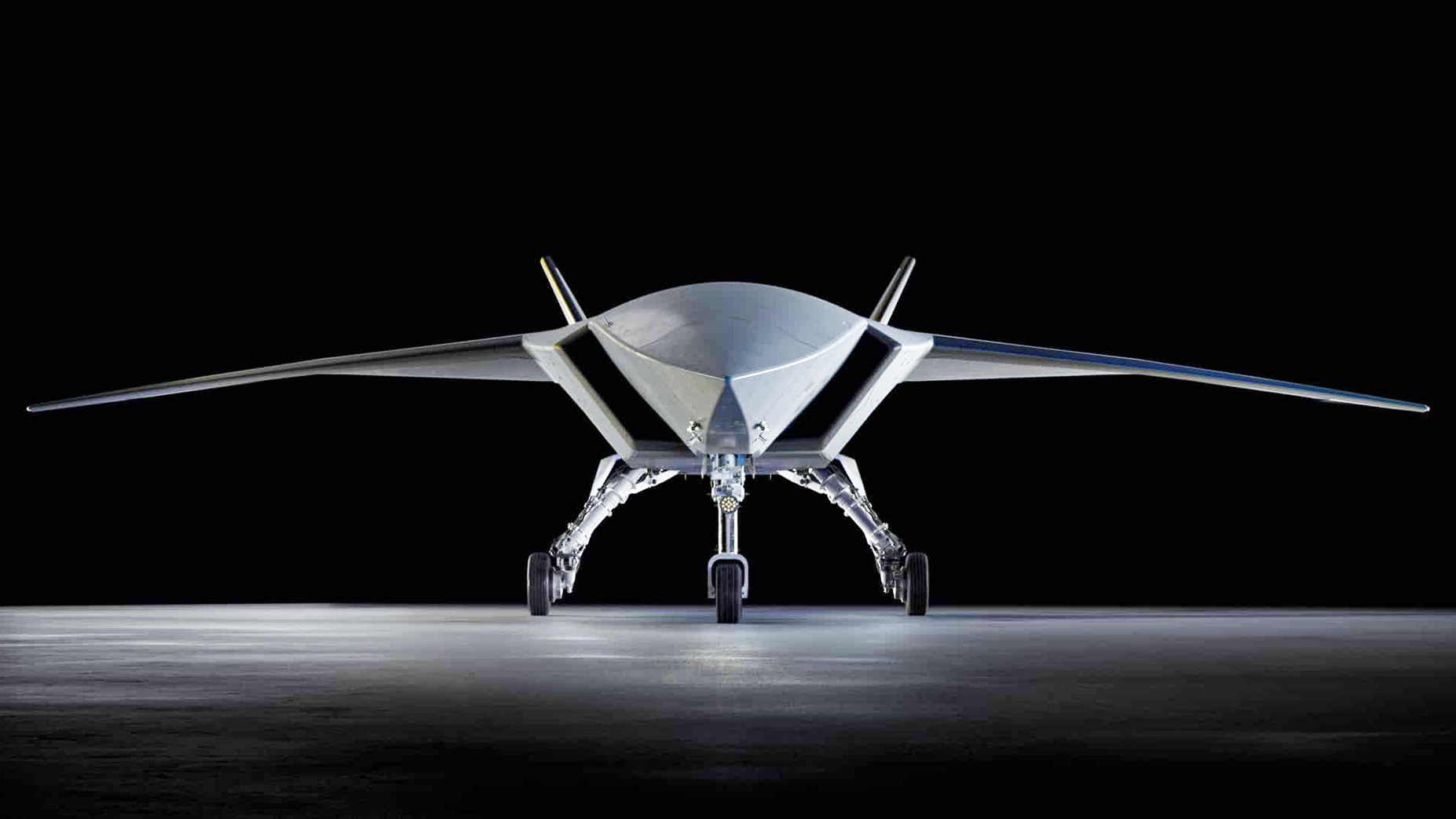
The stealthy Ghost Bat is heading into its third iteration, with larger wings, more power, and internal weapons bays. The post Boeing’s New Larger Ghost Bat Can Carry AIM-120 AMRAAMs Internally appeared first on The War Zone .
The development of advanced drones capable of carrying significant internal payloads like the AIM-120 AMRAAM reflects a maturation in drone technology and a strategic pivot towards unmanned aerial combat capabilities.
This development indicates a significant evolution in aerial warfare, demonstrating the increasing autonomy and firepower of unmanned platforms, which could re-shape air force doctrine and procurement priorities.
Previously, drones primarily served reconnaissance or limited strike roles; now, they are demonstrating capabilities to engage in more sophisticated air-to-air combat independently, shifting roles previously exclusive to manned aircraft.
- · Boeing
- · Defense contractors specializing in drone technology
- · Air Forces investing in unmanned combat aerial vehicles
- · Manufacturers of traditional manned fighter jets (long-term)
- · Legacy air combat doctrines
Boeing secures a significant advantage in the uncrewed aerial vehicle market with a highly capable combat drone.
Other nations and defense contractors will accelerate their own efforts to develop similar advanced combat drones, increasing competitive pressure.
The proliferation of such highly capable, autonomous combat drones could lead to a significant re-evaluation of international arms control treaties and regulations concerning autonomous weapon systems.
This signal links to a primary source. Continuum Brief monitors and indexes it as part of the live intelligence stream — we do not republish source content.
Read at The War Zone