Brit maritime agency heralds fresh global rules for crewless cargo ships
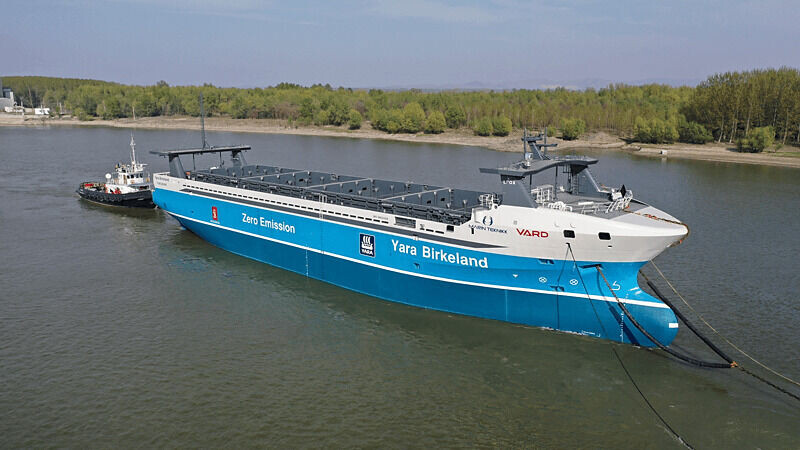
If you thought driverless cars were bad, imagine a 200,000 ton container ship
Advances in autonomous navigation and AI are maturing to a point where regulatory bodies are beginning to formulate frameworks for crewless maritime operations, reflecting a push for efficiency and cost reduction in global logistics.
The development of global rules for crewless cargo ships signals a significant shift towards autonomous logistics, impacting supply chains, labor markets, and national security interests.
International maritime regulations are beginning to adapt to autonomous vessel technology, setting a precedent for a future where large-scale shipping operates without human crew, potentially reducing operational costs and risks.
- · Logistics companies
- · Ship manufacturers (specializing in autonomous vessels)
- · Automation technology providers
- · Insurance firms (specializing in autonomous risk)
- · Maritime labor unions
- · Traditional shipping crew training academies
- · Shipping companies slow to adopt automation
The establishment of global rules will accelerate the development and deployment of autonomous cargo ships, leading to trials and initial commercial routes.
Increased adoption of autonomous vessels could lead to significant reductions in shipping costs and faster transit times, reshaping global trade economics and supply chain resilience.
The proliferation of crewless cargo ships might raise geopolitical questions regarding international waters, surveillance capabilities, and potential use in military logistics or contested zones.
This signal links to a primary source. Continuum Brief monitors and indexes it as part of the live intelligence stream — we do not republish source content.
Read at The Register