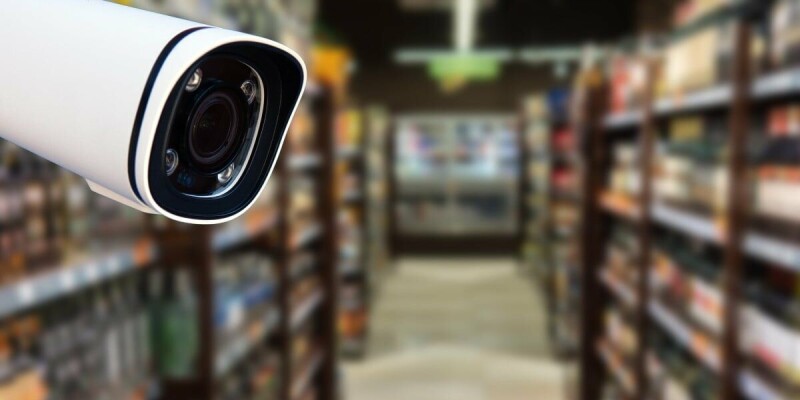
Up to 150 more stores to get the 'Orwellian' tech by year's end
The increasing availability and affordability of advanced facial recognition technology, coupled with rising retail theft rates, incentivizes businesses to adopt such solutions for loss prevention.
This widespread adoption by a major retailer indicates a growing trend of biometric surveillance in private commercial spaces, raising questions about privacy, civil liberties, and the social contract.
The deployment of facial recognition in supermarkets moves this technology from more limited, high-security applications into everyday public-facing environments, normalizing its use for commercial control.
- · Facial recognition technology providers
- · Supermarket chains reducing shrinkage
- · Security solutions industry
- · Advocates for consumer privacy
- · Individuals concerned about surveillance
- · Civil liberties organizations
Increased public and legislative debate around the oversight and regulation of biometric surveillance in private commercial settings.
Potential for 'dataveillance' creep, where facial recognition data gathered for security is later leveraged for marketing, personalization, or other commercial purposes.
Erosion of public trust in businesses, leading to calls for 'privacy-by-design' mandates or the emergence of 'privacy-first' consumer choices.
This signal links to a primary source. Continuum Brief monitors and indexes it as part of the live intelligence stream — we do not republish source content.
Read at The Register