Building a Secure Software Development Lifecycle (SSDLC) for Cloud-Native Teams
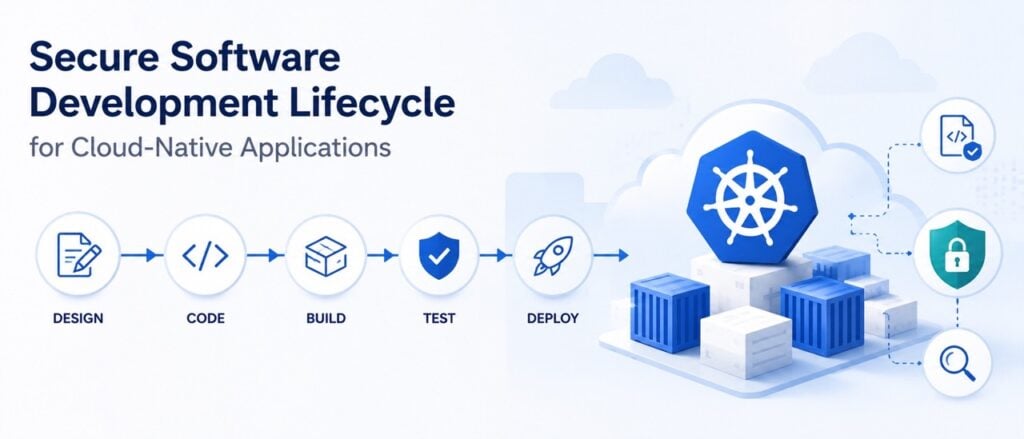
As cloud-native architectures continue to redefine how applications are built and deployed, security must evolve alongside them. Often bolted on at the end of development, traditional approaches are no longer sufficient in environments defined by rapid iteration, distributed systems, and continuous delivery. For modern teams, building an SSDLC is a The post Building a Secure Software Development Lifecycle (SSDLC) for Cloud-Native Teams appeared first on Cloud Native Now .
As cloud-native adoption matures and becomes the default for application development, the inherent security challenges posed by distributed systems and rapid deployment cycles are becoming critical bottlenecks.
A strategic reader should care because inadequate cloud-native security can lead to significant data breaches, compliance failures, and reputational damage, directly impacting business continuity and market value.
Traditional, siloed security approaches are no longer viable, leading to a shift towards integrated security practices throughout the entire software development lifecycle (SSDLC) for cloud-native applications.
- · Cloud-native security platforms
- · DevSecOps specialists
- · Organizations with mature SSDLCs
- · Traditional security vendors
- · Organizations with legacy security approaches
- · Application development teams ignoring security early
Increased investment in specialized cloud-native security tools and expertise.
Heightened regulatory scrutiny on the security posture of cloud-native applications, potentially leading to new compliance frameworks.
A potential shortage of skilled DevSecOps professionals, driving up talent acquisition costs or fostering new educational pathways.
This signal links to a primary source. Continuum Brief monitors and indexes it as part of the live intelligence stream — we do not republish source content.
Read at Container Journal