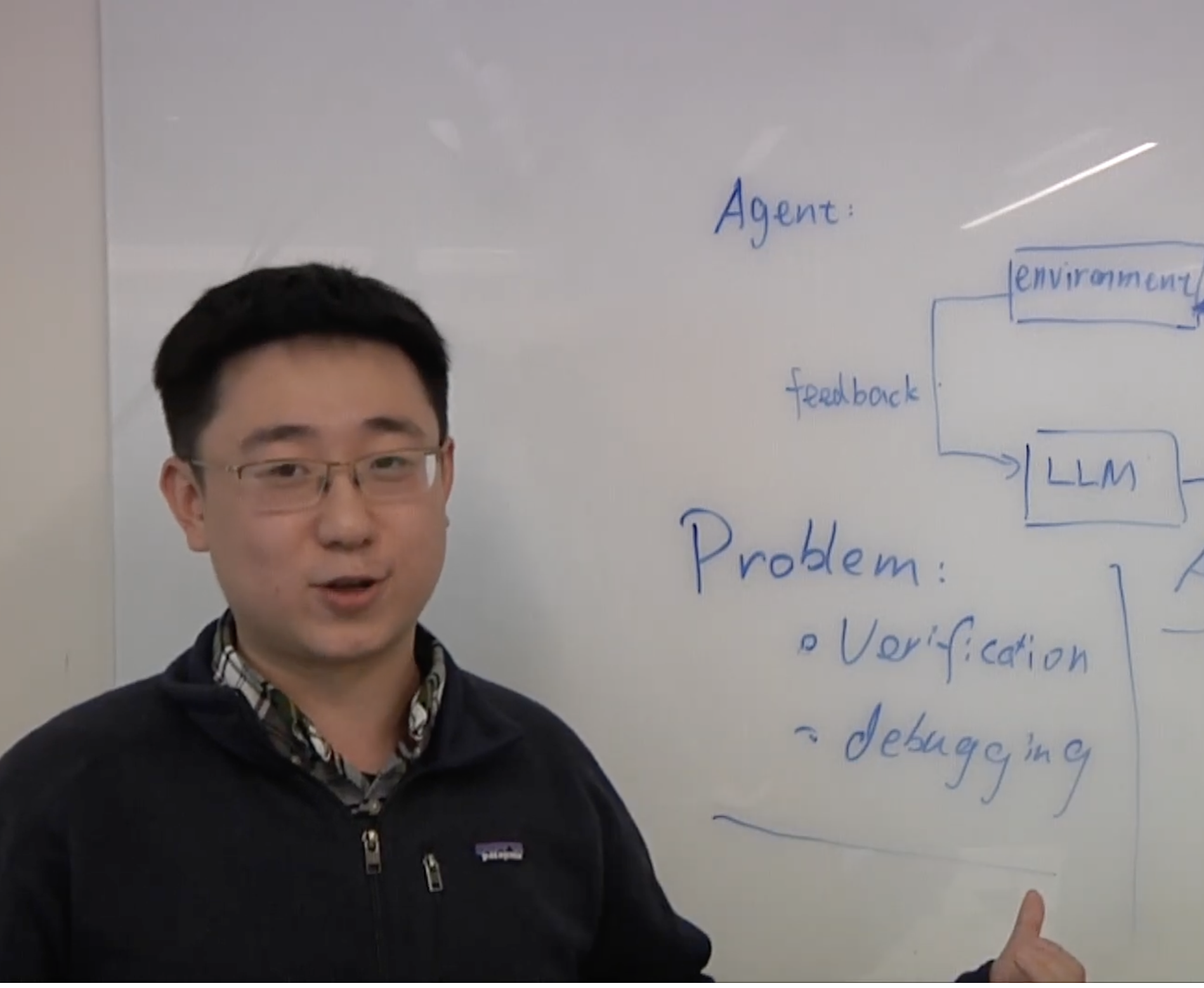
How agents can be used to divide and conquer IC design problems. The post Building Multi-Agent Systems For ASIC Flows appeared first on Semiconductor Engineering .
The increasing complexity of ASIC design, coupled with advancements in large language models, is driving the need for more autonomous and efficient design methodologies.
This development signals a significant shift in how complex engineering tasks, particularly in semiconductor design, can be automated and optimized through AI agents, leading to faster innovation cycles and reduced costs.
The conventional manual and siloed approach to IC design is evolving towards multi-agent systems that can autonomously manage and optimize design flows, transforming workflow efficiency.
- · Semiconductor companies
- · EDA tool vendors
- · AI software developers
- · Cloud computing providers
- · Traditional manual design houses
- · Companies slow to adopt AI in design
- · Legacy verification methodologies
ASIC development cycles will shorten significantly, accelerating product innovation timelines.
The demand for specialized human IC designers may shift towards managing and orchestrating AI agent systems rather than performing intricate manual tasks.
Democratization of complex chip design could enable smaller teams and startups to develop highly specialized silicon solutions previously accessible only to large corporations.
This signal links to a primary source. Continuum Brief monitors and indexes it as part of the live intelligence stream — we do not republish source content.
Read at Semiconductor Engineering