Built for another era, our air-and-missile-defense industrial base needs more builders
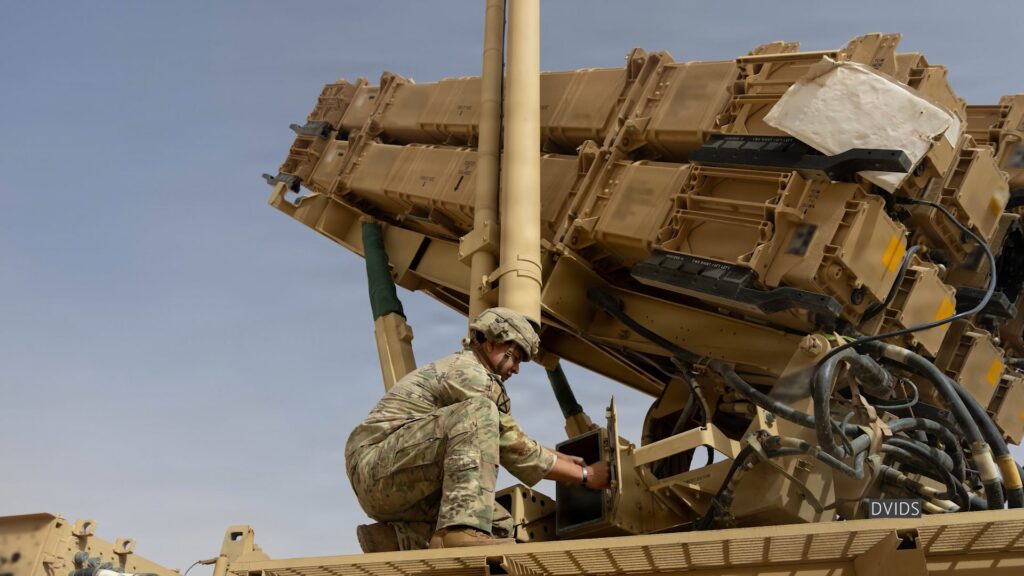
[Sponsored] The US hasn’t been able to fully meet its air-and-missile-defense requirements through its traditional suppliers.
The increased geopolitical tensions and lessons from ongoing conflicts highlight the inadequacy of existing defense industrial capacity, especially for air and missile defense.
A constrained defense industrial base directly impacts national security, strategic deterrence, and the ability to project power or defend against emerging threats, requiring urgent recapitalisation.
The recognition of an insufficient defense industrial base shifts focus towards increasing production capacity and modernizing manufacturing processes, moving away from past 'just-in-time' lean manufacturing.
- · Defense contractors focused on air and missile defense systems
- · Advanced manufacturing and automation companies
- · Governments investing in domestic industrial capabilities
- · Traditional defense suppliers unable to scale or innovate
- · Nations dependent on increasingly constrained foreign defense supplies
Increased government contracts and funding pour into the defense industrial sector to boost production capacity.
New specialized companies emerge or existing ones pivot to meet the surging demand for defense-related components and systems, fostering innovation.
The global balance of power may subtly shift as some nations successfully recapitalize their defense industries faster, leading to revised strategic alliances and deterrence models.
This signal links to a primary source. Continuum Brief monitors and indexes it as part of the live intelligence stream — we do not republish source content.
Read at Breaking Defense