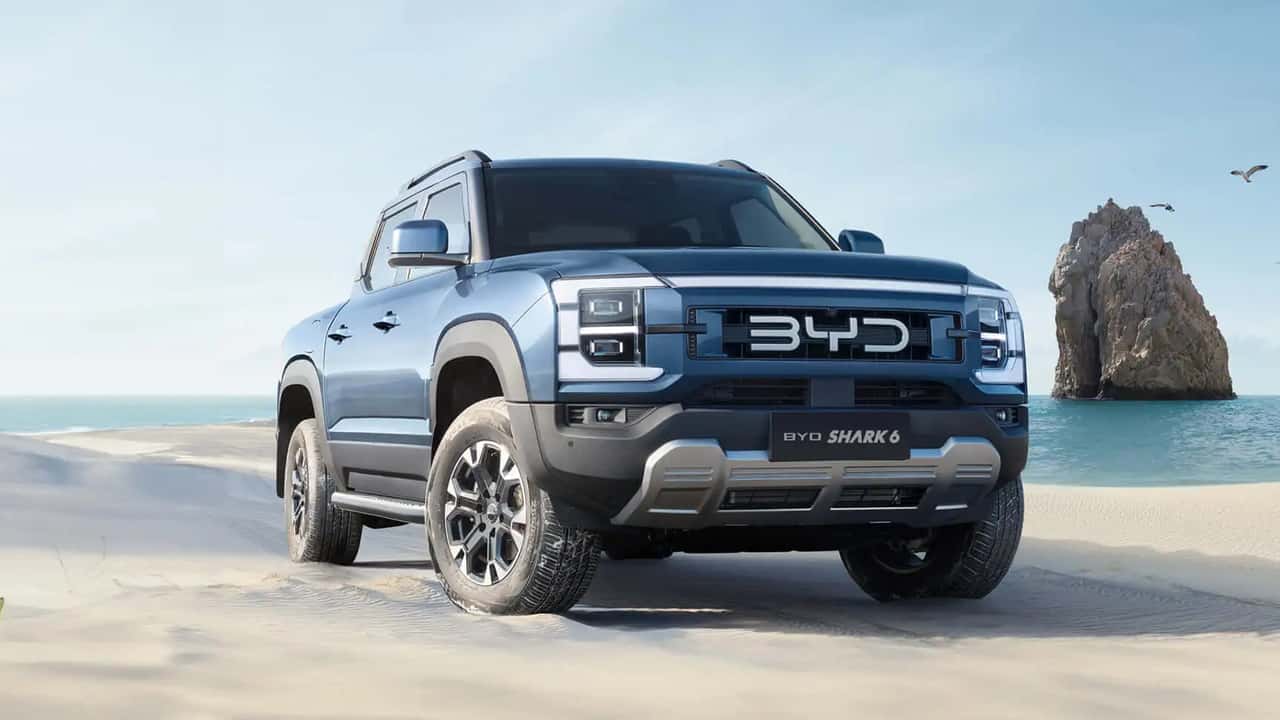
The Shark pickup was already on sale in China, Mexico, South America, and Australia, leaving the U.S. as the odd one out.
Amidst increasing geopolitical tensions and protectionist policies, Chinese automakers are expanding aggressively into global markets, often avoiding direct confrontation in the US.
This highlights the ongoing fragmentation of global automotive markets and the challenges Chinese brands face in penetrating highly regulated and politically sensitive regions like the US.
The market access of Chinese EV manufacturers is increasingly differentiated by geography, suggesting a bifurcated global EV ecosystem where the US remains an outlier for direct Chinese imports.
- · BYD
- · UK automotive consumers
- · Chinese automotive industry
- · US automotive consumers
- · US domestic automakers (less direct competition)
- · European legacy automakers
BYD strengthens its market presence and brand recognition in non-US Western markets and the Global South.
Increased pressure on European and other non-US automakers to compete with lower-cost, high-tech Chinese PHEV offerings.
The US risks falling behind in affordable EV/PHEV innovation and adoption if domestic options remain more expensive and foreign competition is deliberately constrained.
This signal links to a primary source. Continuum Brief monitors and indexes it as part of the live intelligence stream — we do not republish source content.
Read at InsideEVs