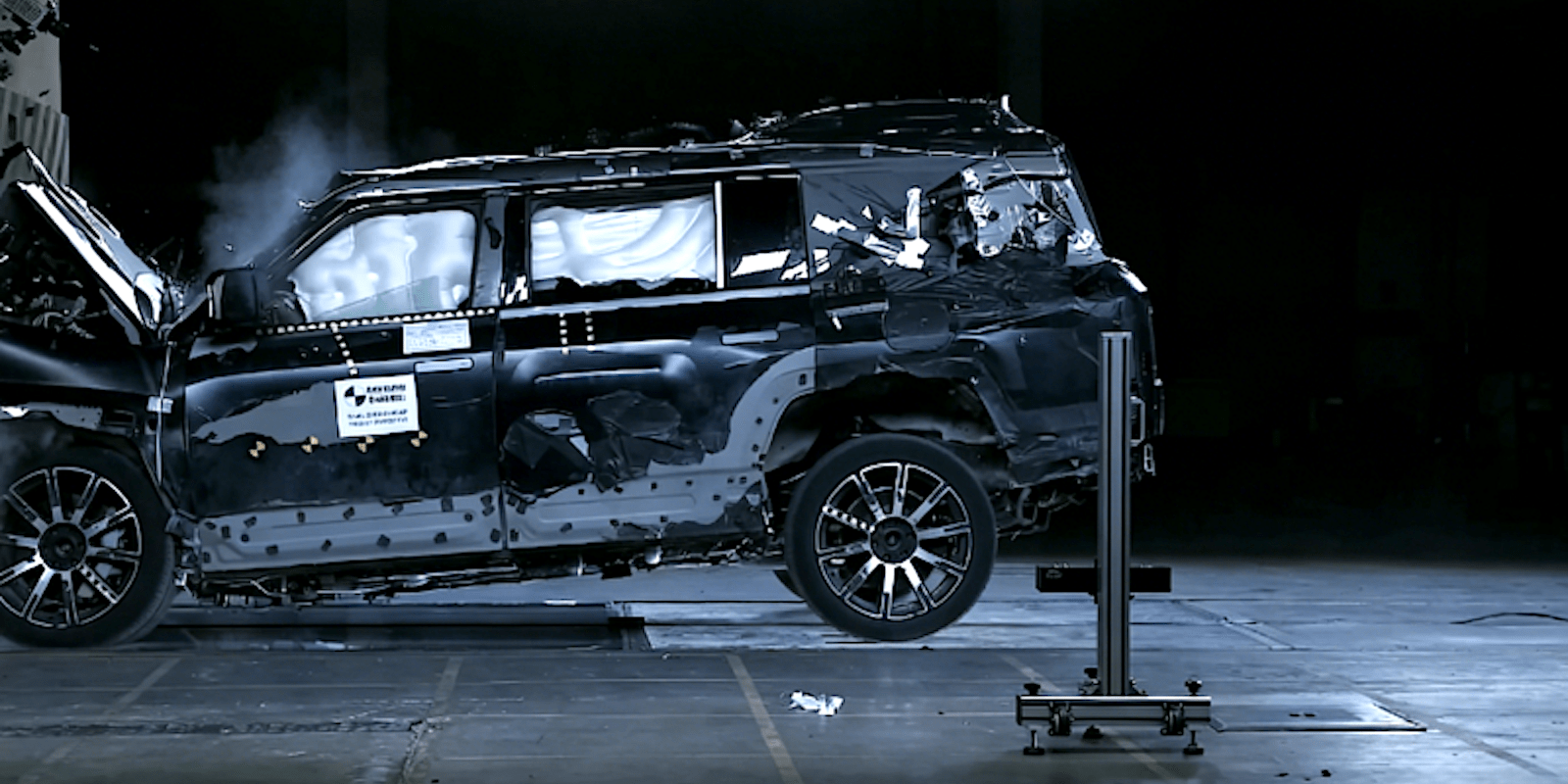
If you’re from Pittsburgh, you may want to sit down for this one: global EV sales leader BYD claims the aluminum frame that underpins its new Yangwang U8L SUV passes a brutal, 12 ton lift test – despite weighing over 100 lbs. less than a comparable steel frame. more…
Advances in materials science and manufacturing processes are enabling breakthroughs in vehicle construction, aligning with global demands for lighter, more efficient, and safer vehicles.
This development indicates a significant step forward in automotive manufacturing, particularly for EVs, impacting vehicle performance, cost, and safety standards, potentially accelerating broader industry adoption.
Vehicle frame design and material choices are evolving rapidly, moving beyond traditional steel to lighter, more resilient alternatives that can enhance EV range and crashworthiness.
- · BYD
- · Aluminum manufacturers
- · EV consumers
- · Automotive manufacturing technology providers
- · Traditional steel frame manufacturers
- · Competitors slow to adopt advanced materials
BYD gains a competitive advantage in EV design with lighter, stronger frames, potentially leading to increased market share.
Other automotive manufacturers will be pressured to invest heavily in similar advanced material technologies or risk falling behind.
The broader adoption of advanced lightweight materials could lead to new standards for vehicle safety and performance across the automotive industry, shifting supply chains.
This signal links to a primary source. Continuum Brief monitors and indexes it as part of the live intelligence stream — we do not republish source content.
Read at Electrek