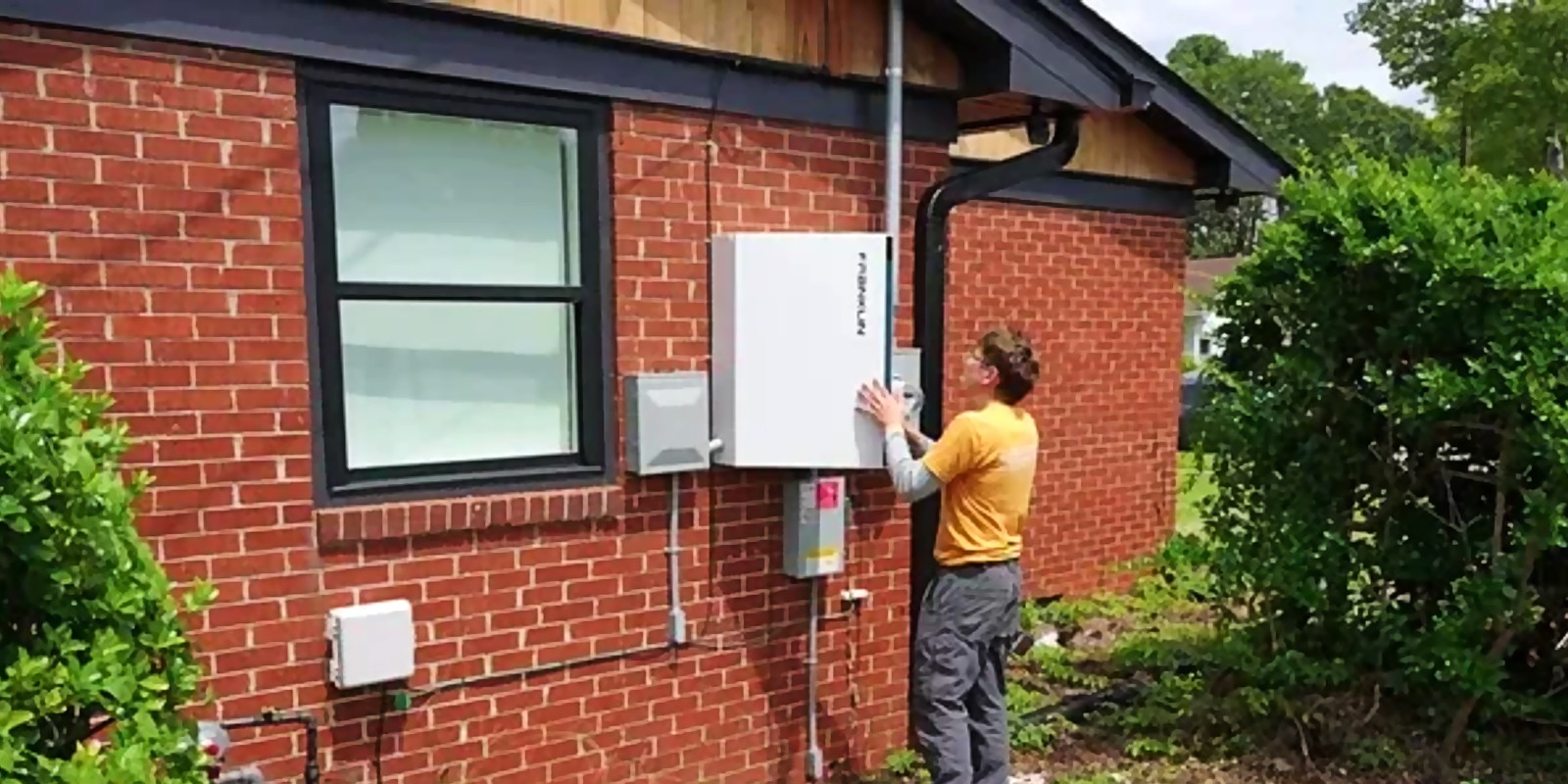
Ava Community Energy’s SmartHome Battery program is offering income-qualified North California residents up to $6,000 in up front incentive cash to install a FranklinWH smart battery and connect it to the utility’s virtual power plant (VPP).
The increasing strain on California's grid, amplified by renewable integration challenges and growing electricity demand, necessitates aggressive distributed energy resource deployment, making VPP incentives timely.
This initiative provides a concrete example of how states are incentivizing household participation in virtual power plants, directly addressing grid stability and energy independence at a localized level, which could become a national model.
Previously, home battery adoption was largely driven by individual energy independence; now, utilities are directly integrating residential storage into grid management, turning homeowners into active grid participants with financial incentives.
- · Residential solar and battery installers
- · Home battery manufacturers like FranklinWH
- · California residents (income-qualified)
- · Ava Community Energy (utility)
- · Traditional peaking power plants
- · Consumers without access to such programs
- · Utilities slow to adopt VPP strategies
Increased adoption of residential energy storage solutions, particularly among income-qualified households in North California.
Accelerated development of VPP technologies and business models as utilities compete and replicate successful incentive programs.
Reduced reliance on centralized fossil fuel generation during peak demand periods, contributing to decarbonization and grid resilience but also potentially creating new cybersecurity risks for distributed assets.
This signal links to a primary source. Continuum Brief monitors and indexes it as part of the live intelligence stream — we do not republish source content.
Read at Electrek