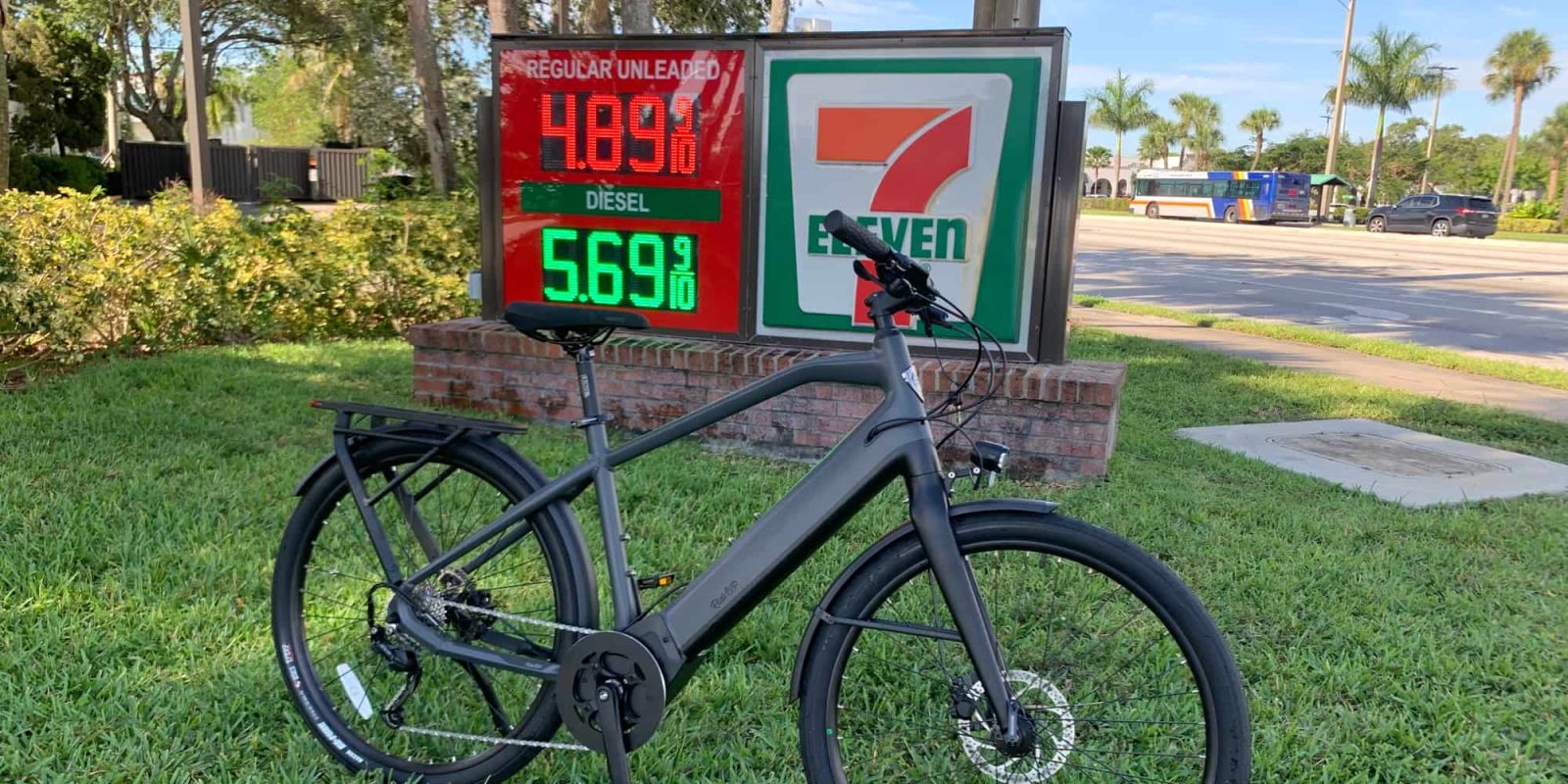
One of the most common questions I hear from people considering an e-bike right now, during a period of soaring energy prices, is some variation of “Can it actually save me money?” The answer is yes. Quite a bit, actually. But the interesting part is that most people focus on the wrong number. more…
Amidst persistent high energy prices, consumers are actively seeking immediate cost-saving alternatives for personal transportation, making e-bikes financially attractive.
This highlights a growing consumer behavioral shift towards micro-mobility and electrification as a direct response to economic pressures, impacting energy consumption patterns and urban planning.
The perception of e-bikes shifts from a recreational item to a viable and economically sensible daily commutation vehicle, particularly for short to medium distances.
- · E-bike manufacturers
- · Micro-mobility services
- · Urban transit planners
- · Internal combustion engine vehicle sales
- · Gas stations
- · Traditional automotive parts suppliers
Increased adoption of e-bikes as a primary mode of transport for individuals.
Reduced demand for gasoline in urban and suburban areas, influencing oil consumption trends.
Enhanced urban infrastructure investment in bike lanes and charging stations, potentially reshaping city layouts and reducing traffic congestion.
This signal links to a primary source. Continuum Brief monitors and indexes it as part of the live intelligence stream — we do not republish source content.
Read at Electrek