Can China’s latest air-to-air missile take on its US equivalent? Definitely maybe, experts say.
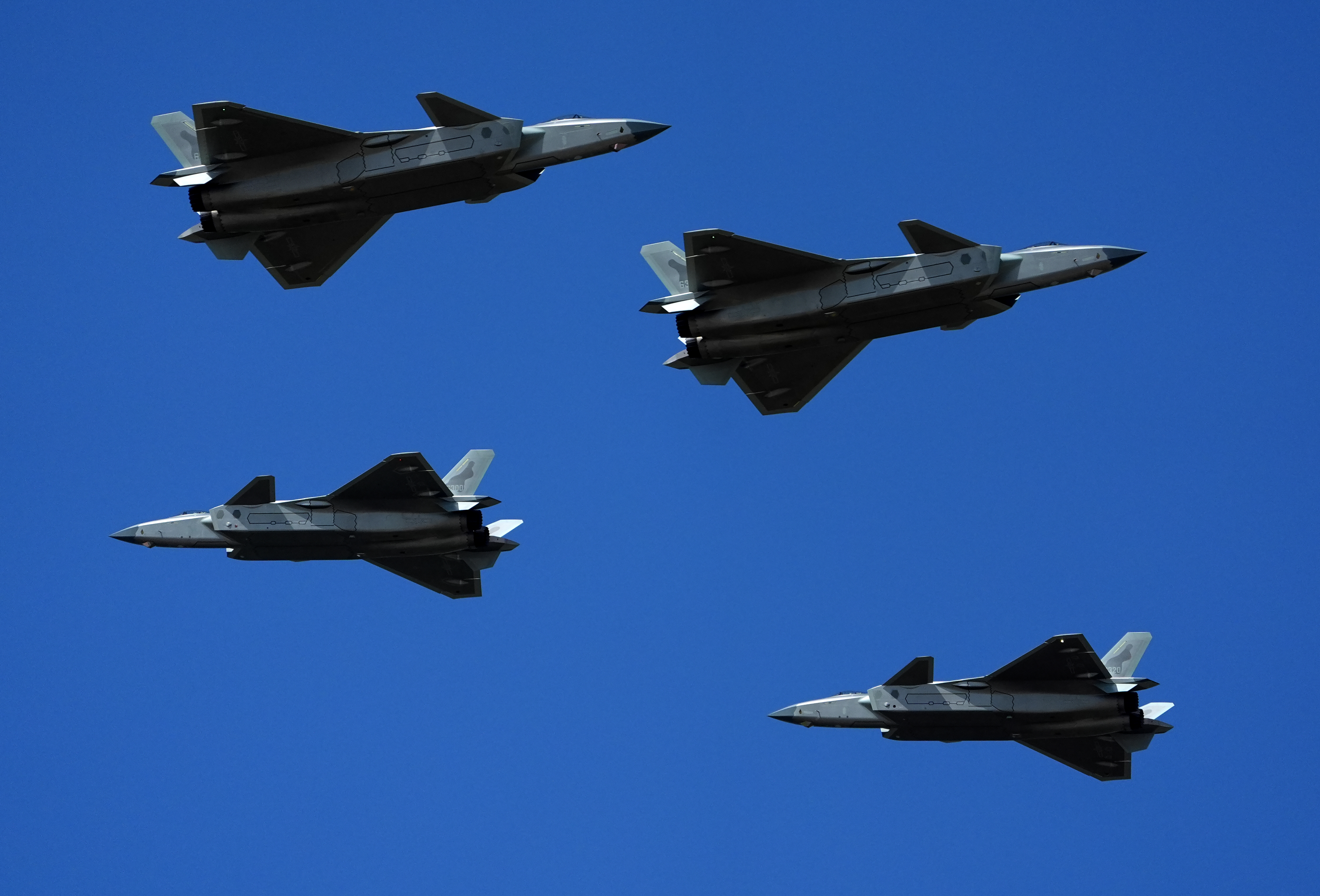
The PL-16’s specs would let it chase large, slower-moving aircraft, one analyst said, though its effectiveness against smaller, faster planes is unclear.
China's continuous advancements in military technology, particularly in air-to-air missiles, are challenging existing power balances and pushing the boundaries of defence capabilities.
The potential parity or superiority of Chinese air-to-air missiles could significantly alter air combat doctrines and future defence procurement strategies for global powers.
The perceived technological gap between US and Chinese air defense capabilities is narrowing, forcing a re-evaluation of aerial superiority assumptions.
- · China's military industrial complex
- · Nations seeking alternatives to Western defence tech
- · Advanced missile development programs
- · US defence industry (loss of presumed singular dominance)
- · Older generation air combat platforms
- · Taiwan (increased air threat)
This news directly indicates an incremental increase in China's air combat capabilities, especially against larger aircraft.
It could trigger accelerated investment and development in next-generation air-to-air missile counter-measures and platforms by the US and its allies.
A sustained trend of China closing or surpassing defence tech gaps might reshape geopolitical alliances and regional power dynamics, particularly in the Indo-Pacific.
This signal links to a primary source. Continuum Brief monitors and indexes it as part of the live intelligence stream — we do not republish source content.
Read at Air Force Times