Can China’s latest air-to-air missile take on its US equivalent? Definitely maybe, experts say.
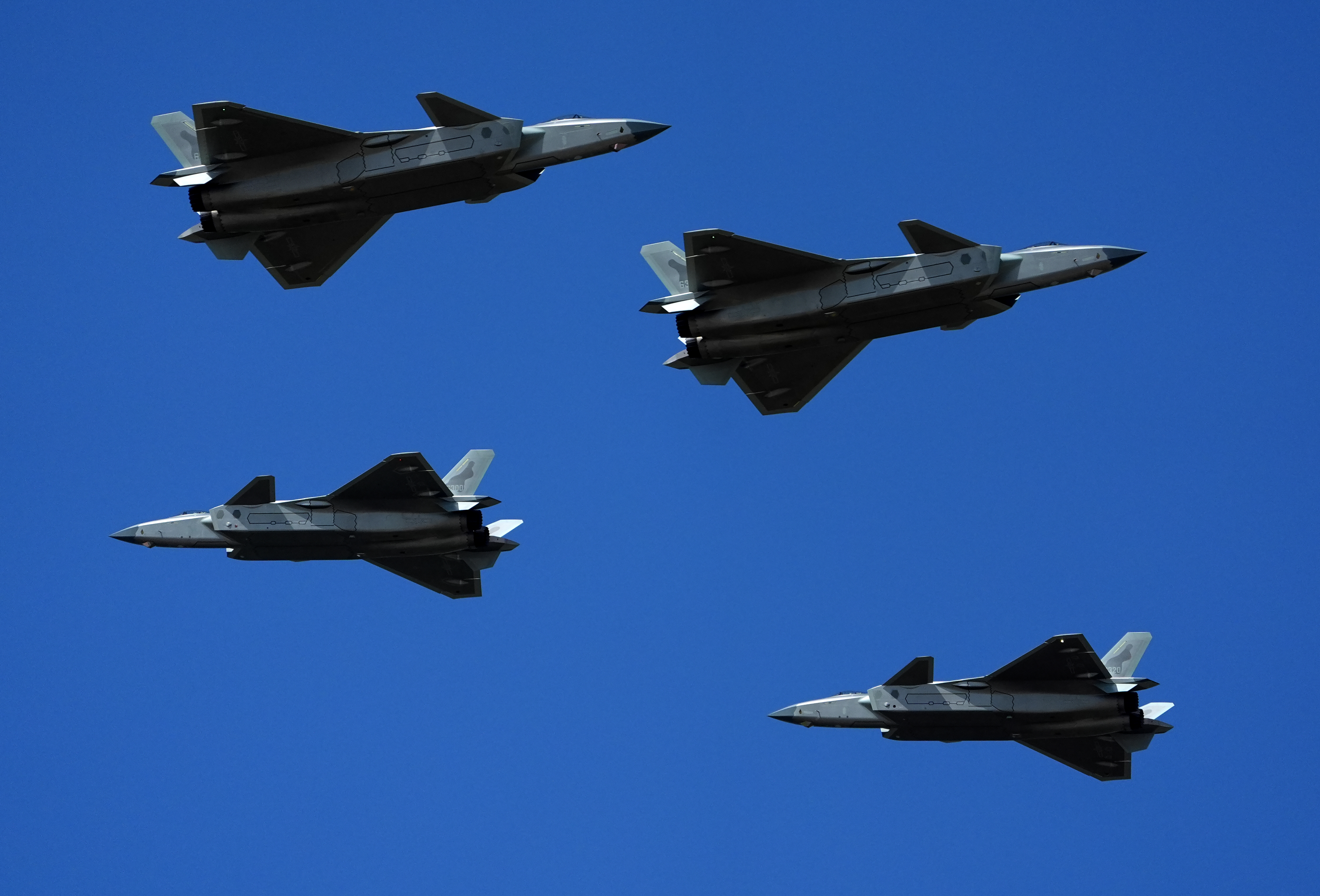
The PL-16’s specs would let it chase large, slower-moving aircraft, one analyst said, though its effectiveness against smaller, faster planes is unclear.
The continuous development and showcasing of advanced military technology by China indicates an ongoing effort to challenge established military dominance and project power.
This development highlights the intensifying strategic competition in defense technology, particularly between major global powers, impacting future air combat doctrines and geopolitical balances.
The emergence of new, potent air-to-air missiles potentially narrows the technological gap between China and the US, requiring adjustments in defense strategy and procurement.
- · China's military industrial complex
- · Nations seeking alternative defense suppliers
- · US defense contractors focusing on air combat superiority
- · Countries relying heavily on US air power dominance
Increased focus on counter-missile systems and advanced electronic warfare by US-aligned nations.
A potential acceleration in the development of next-generation fighter aircraft and stealth technologies to mitigate missile threats.
Shifts in regional power dynamics in the Asia-Pacific as China's military capabilities become more sophisticated.
This signal links to a primary source. Continuum Brief monitors and indexes it as part of the live intelligence stream — we do not republish source content.
Read at Defense News