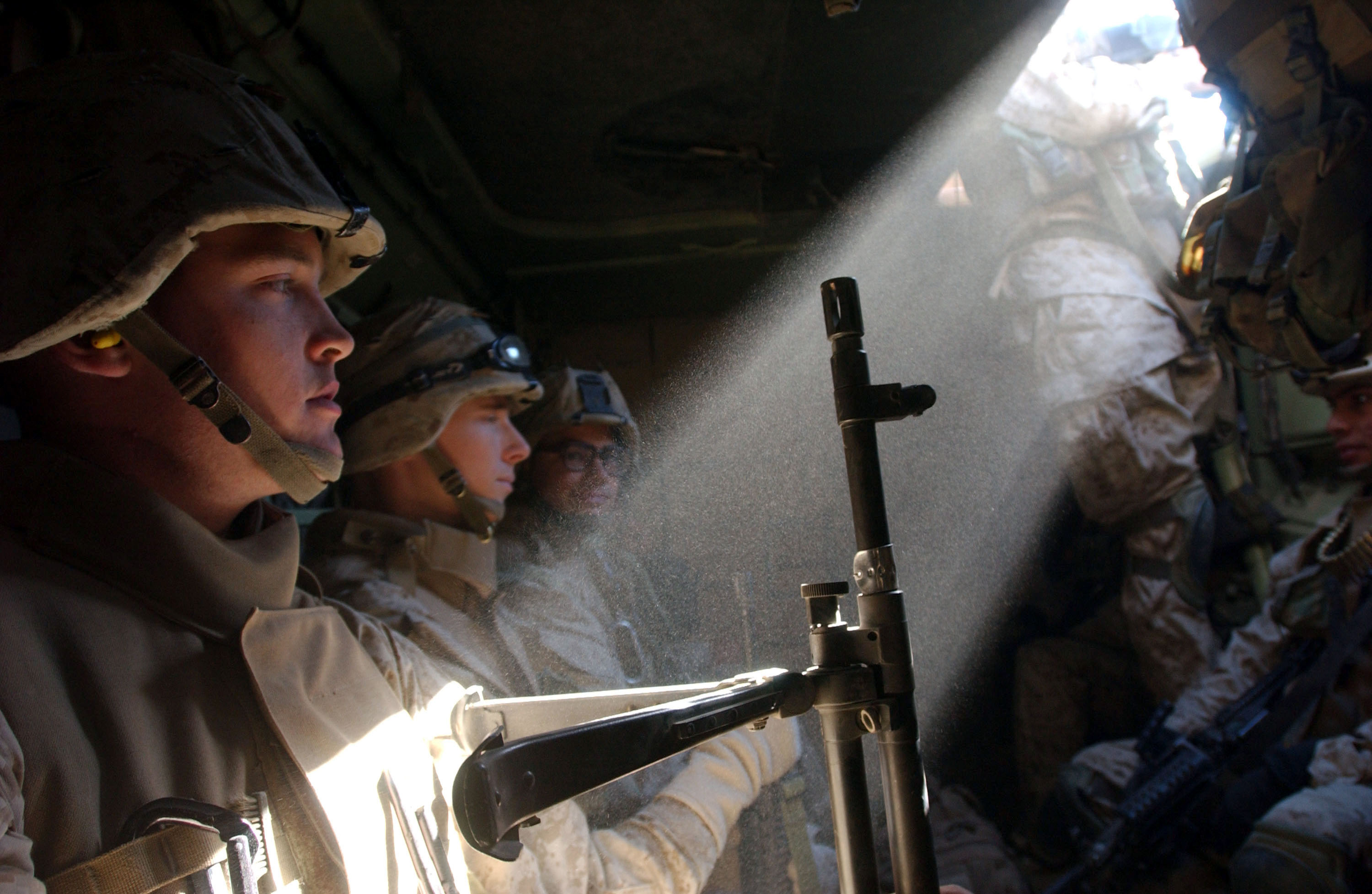
Thousands of post-9/11 veterans are reaching retirement. Whether the lessons they learned during two decades of combat will be retained remains to be seen.
Thousands of post-9/11 veterans are reaching retirement age, prompting the military to grapple with the potential loss of two decades of combat expertise.
The US military faces a critical juncture in knowledge management, potentially impacting readiness, future doctrine, and the effectiveness of technology integration if combat experience is not formally preserved.
The urgency to formalize knowledge transfer and retention mechanisms within the defense sector intensifies as the direct combat experience of the post-9/11 era nears expiration.
- · Military knowledge management systems
- · Defense contractors specializing in training and simulation
- · Military think tanks and research institutions
- · Units losing experienced personnel with uncaptured knowledge
- · Future military doctrine if based on an incomplete understanding of past conflic
- · Traditional, informal knowledge transfer methods
The US military must develop more robust systems to capture, systematize, and disseminate combat lessons learned from retiring personnel.
Failure to effectively preserve this experience could lead to repeating past mistakes in future conflicts or a diminished capacity to adapt tactics.
A decline in the practical application of lessons learned could slow the adoption and effective integration of new defense technologies.
This signal links to a primary source. Continuum Brief monitors and indexes it as part of the live intelligence stream — we do not republish source content.
Read at Navy Times