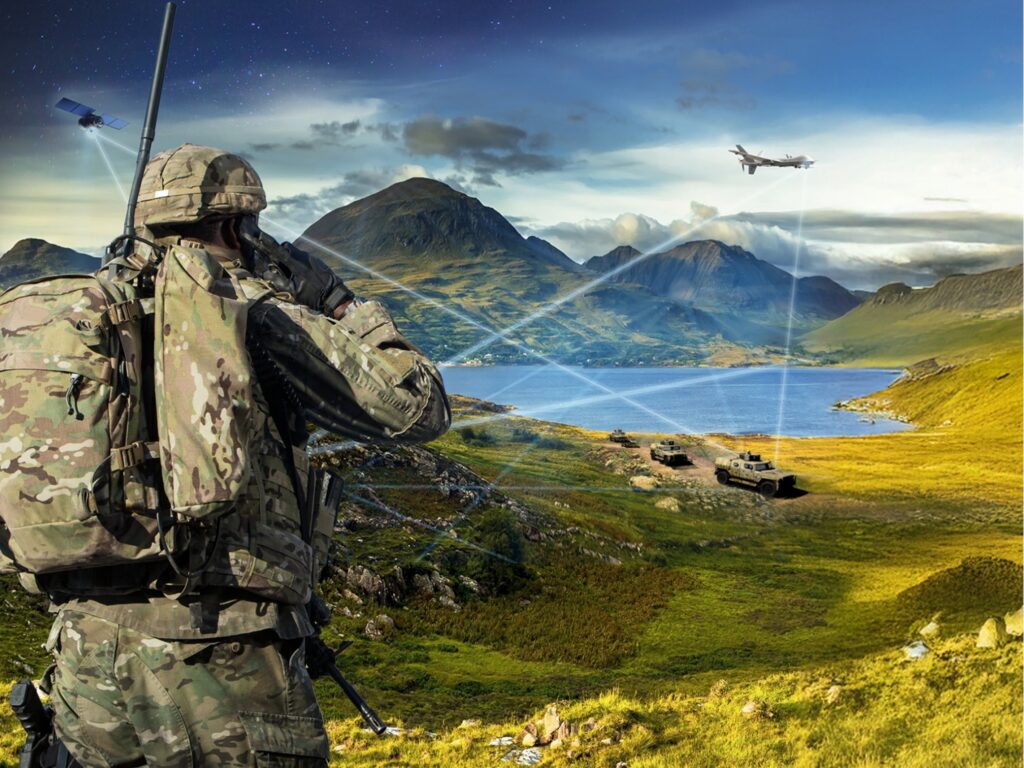
[Sponsored] Production speed is combat power, and industry must meet today’s threats while accelerating and adapting capabilities to keep the edge.
The ongoing geopolitical tensions and the accelerated pace of technological advancements, particularly in drone and cyber warfare, are forcing a reassessment of defense industrial capabilities.
A strategic reader should care because this signifies a fundamental shift in defense procurement and industry strategy, prioritizing rapid production and adaptation over traditional long-cycle development.
The focus moves from incremental technological superiority to an urgent need for manufacturing capacity and the ability to quickly integrate new technologies to counter evolving threats.
- · Defense manufacturers with agile production lines
- · Companies specializing in drones and counter-drone systems
- · Cyber security firms
- · Nations with strong industrial bases
- · Traditional defense contractors with slow production cycles
- · Nations reliant on outdated defense procurement models
Increased investment in defense manufacturing infrastructure and automation will follow.
Demand for skilled labor in advanced manufacturing and software development within the defense sector will rise significantly.
This could lead to a 'new arms race' focused on production capacity and iterative technological application rather than purely bespoke, high-cost systems.
This signal links to a primary source. Continuum Brief monitors and indexes it as part of the live intelligence stream — we do not republish source content.
Read at Breaking Defense