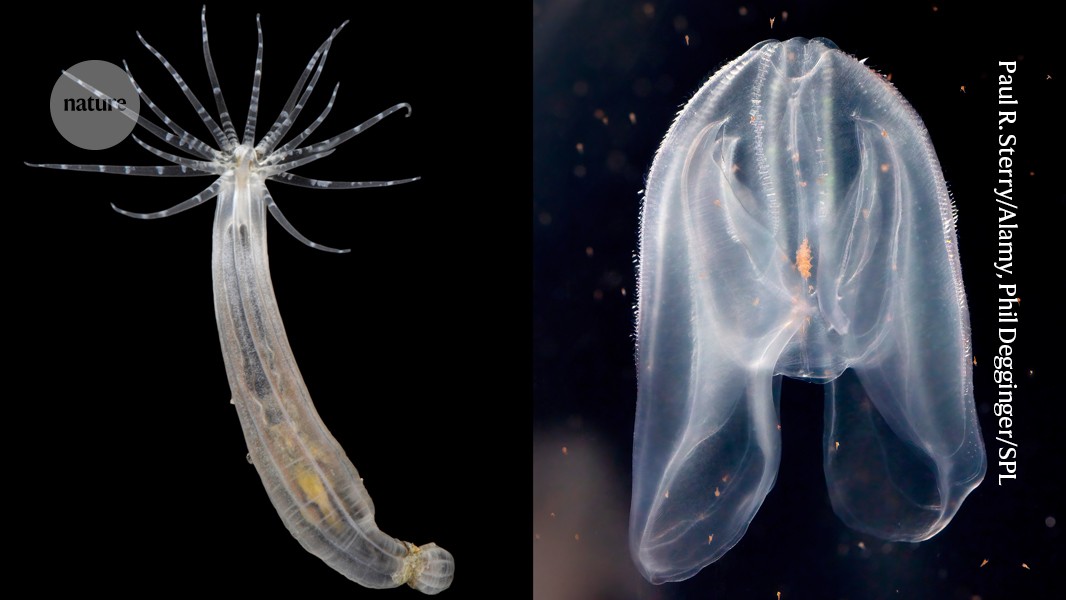
Nature, Published online: 18 June 2026; doi:10.1038/d41586-026-01910-0 Embryonic ‘organizer cells’ can tell embryos of various phyla what kind of body to build.
The ability to transplant embryonic 'organizer cells' across diverse phyla indicates a significant milestone in developmental biology, following decades of research into cellular programming.
This breakthrough suggests a deeper understanding of the fundamental mechanisms of body plan formation and offers new avenues for synthetic biology and regenerative medicine.
The perceived limits of inter-species cell function and the potential for manipulating developmental pathways are expanded, opening doors for novel therapeutic and bioengineering applications.
- · Synthetic biology researchers
- · Regenerative medicine companies
- · Biotechnology sector
- · Evolutionary biologists
- · Traditional drug development models
- · Ethical frameworks unprepared for advanced bio-engineering
Enhanced capabilities in tissue engineering and organ regeneration across species.
Development of novel biological systems or organisms with tailored developmental properties.
Profound ethical and philosophical debates regarding the definition of 'life' and inter-species manipulation.
This signal links to a primary source. Continuum Brief monitors and indexes it as part of the live intelligence stream — we do not republish source content.
Read at Nature — Latest Research