China Loves This Cheap Battery Tech. Here's Why General Motors Might Not Stick With It
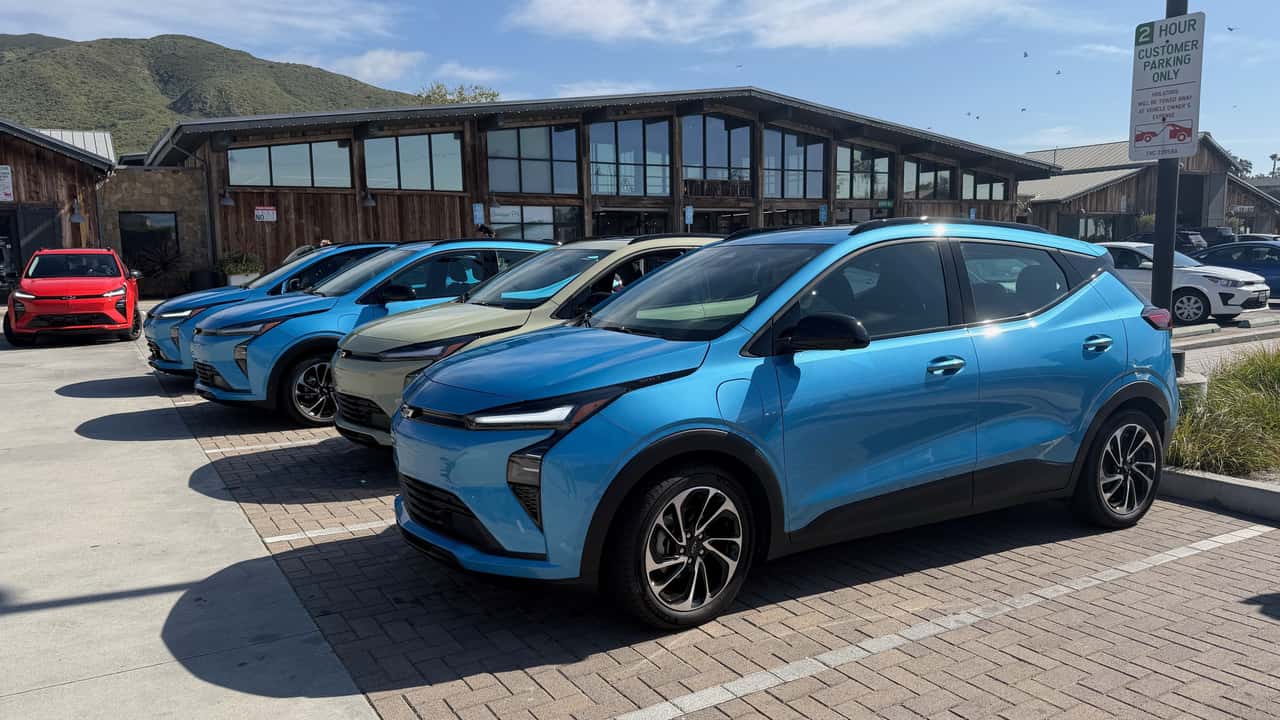
LFP is the industry’s go-to cheap EV battery tech, but GM says another chemistry could offer similar cost benefits with fewer drawbacks.
The electric vehicle market is rapidly maturing, increasing pressure on manufacturers to optimize battery cost, performance, and supply chain resilience amidst geopolitical dynamics.
GM's potential pivot away from LFP battery technology, despite its cost advantages, indicates a nuanced strategic calculation by major automakers that could redefine future EV battery standards and supply chains.
The dominance of LFP as the de facto affordable EV battery might be challenged, leading to diversified chemistries and potentially significant shifts in supply chain dependencies and material demands.
- · Battery manufacturers developing alternative chemistries (e.g., sodium-ion, mang
- · EV buyers, through potentially better performance/cost ratios for entry-level EV
- · General Motors, if their alternative strategy proves superior
- · LFP battery manufacturers, particularly those heavily reliant on the technology
- · China's dominance in specific material processing for LFP
- · Carmakers committed solely to LFP for their budget models
Major automakers will invest more heavily in R&D and production of non-LFP budget battery chemistries.
This diversification could mitigate geopolitical risks associated with raw material sourcing and manufacturing concentration for current LFP supplies.
Increased competition and innovation in battery chemistry could accelerate the overall energy transition by lowering EV costs and improving performance across a wider range of vehicle segments.
This signal links to a primary source. Continuum Brief monitors and indexes it as part of the live intelligence stream — we do not republish source content.
Read at InsideEVs