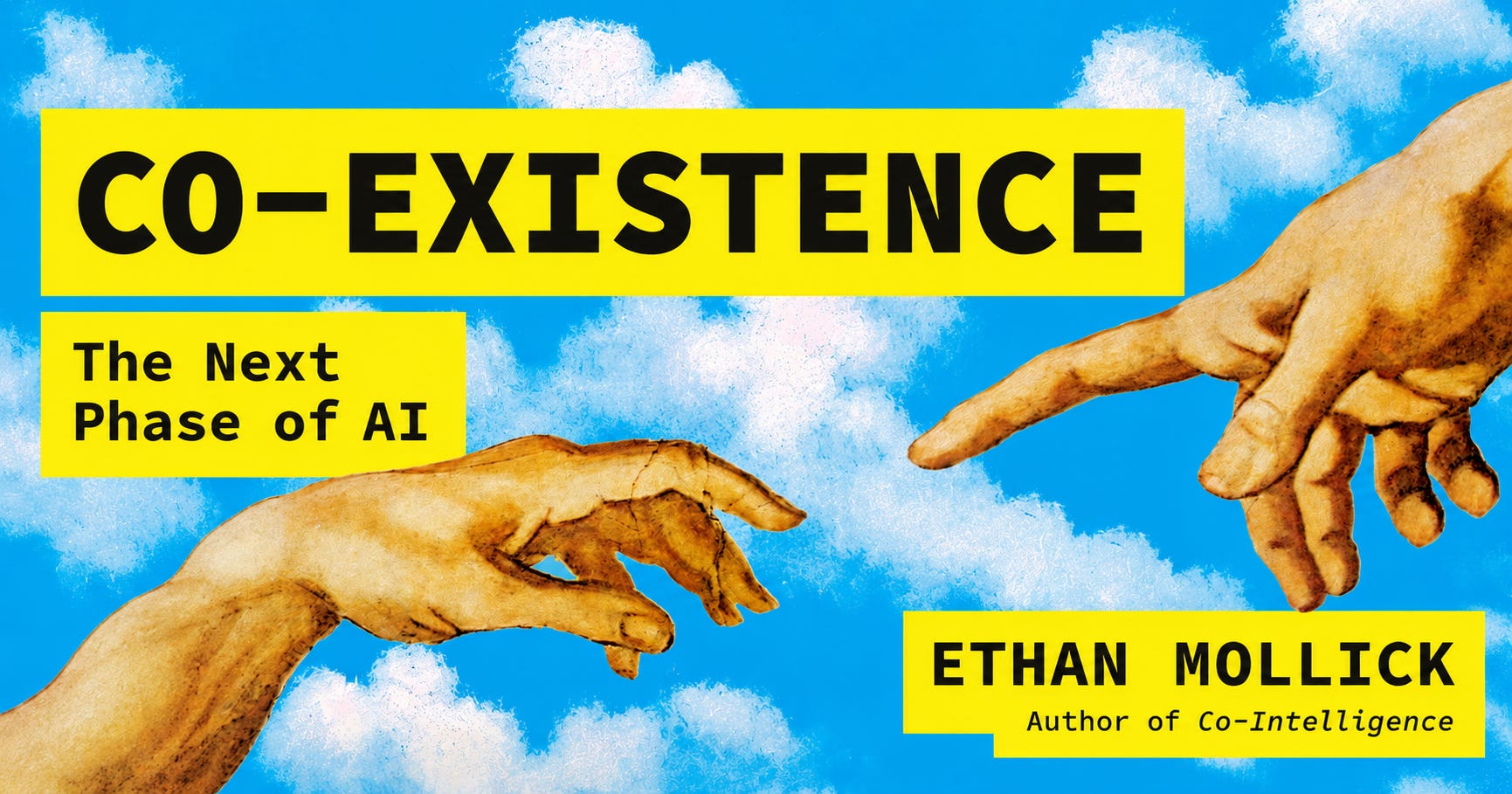
Also: how pitch a book to an AI!
The proliferation of advanced AI capabilities is forcing a re-evaluation of human-AI collaboration models and the potential obsolescence of certain 'co-intelligence' paradigms.
This concept challenges current assumptions about human-AI integration, suggesting a pivot toward AI autonomy rather than strictly collaborative augmentation, impacting future workforce structures and technological development.
The relationship between humans and AI shifts from an emphasis on co-intelligence to a more distinct, potentially independent AI role, altering how tasks are designed and executed.
- · AI developers
- · Automation software providers
- · Early AI adopters
- · SaaS layers reliant on human-in-the-loop tasks
- · Professions focused solely on 'co-intelligence'
- · Legacy workflow providers
AI systems gain increasing autonomy in decision-making and execution.
Human roles pivot further towards oversight, ethical guidance, and high-level strategic direction, rather than hands-on operational 'co-intelligence.'
Educational systems and corporate training programs will need significant overhauls to prepare a workforce for an era beyond co-intelligence, emphasizing new forms of human value contribution.
This signal links to a primary source. Continuum Brief monitors and indexes it as part of the live intelligence stream — we do not republish source content.
Read at One Useful Thing