‘Cognitive drains’ and weight remain ‘pain points’ for drone employment, Marine official says
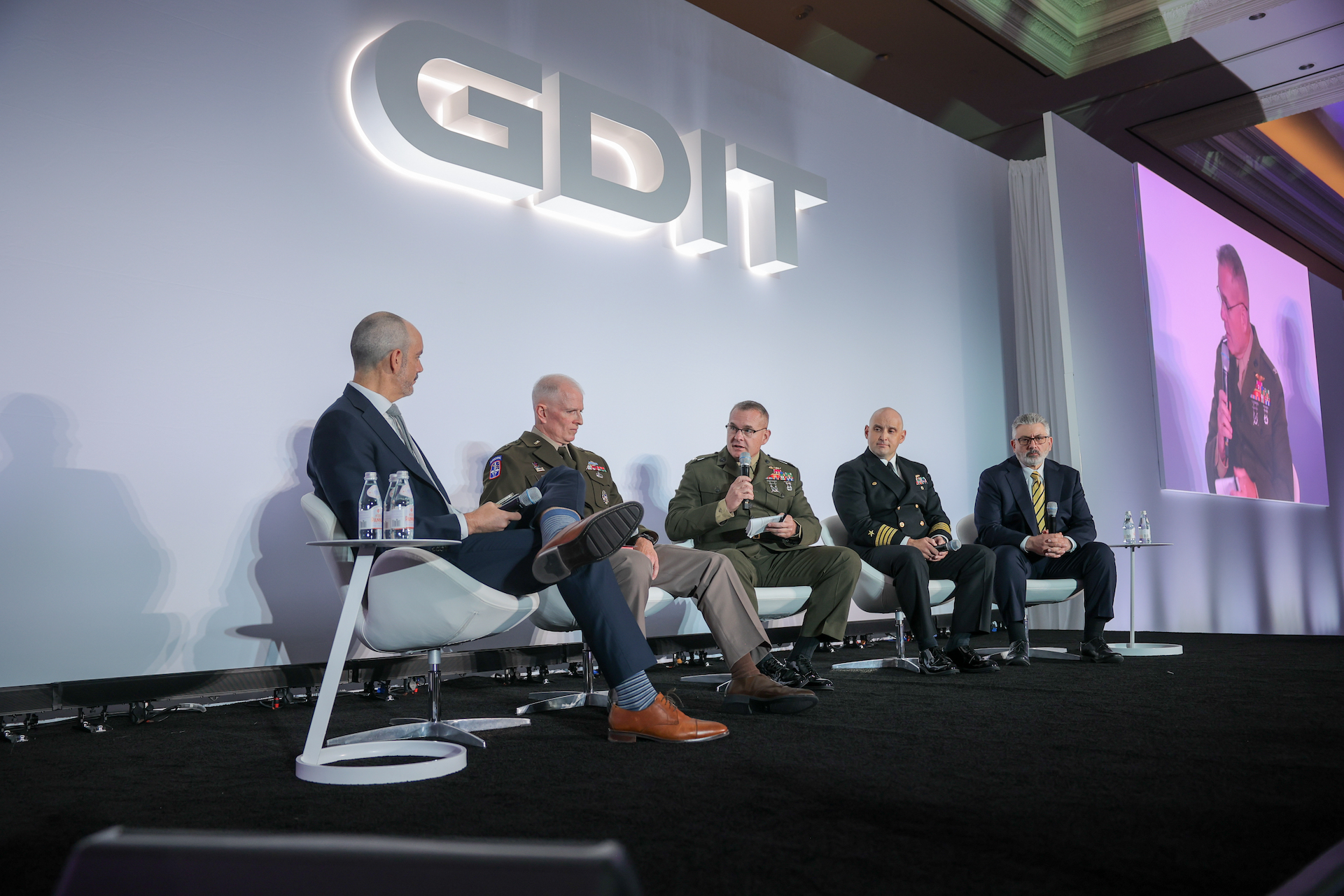
“They have their organic weapon systems, and now we're asking them to put another 30 pounds of kit of ground control stations, all the accouterments that go [with it], and probably two or three drones as backups, and now you add the explosives,” the official said. The post ‘Cognitive drains’ and weight remain ‘pain points’ for drone employment, Marine official says appeared first on DefenseScoop .
The increased deployment of drones in modern warfare and the Marine Corps' emphasis on distributed operations are exposing practical limitations related to operator burden and physical logistics.
This highlights a critical friction point in the integration of autonomous systems into frontline military operations, revealing that physical and cognitive loads are as significant as technological capabilities.
The focus for drone development and procurement shifts from purely technical specifications to include human-machine interface design, weight reduction, and simplified operational logistics for military personnel.
- · Defence contractors specializing in lightweight materials
- · AI/ML companies focused on user-friendly autonomy
- · Logistics and supply chain innovators
- · Companies offering bulky or complex drone systems
- · Traditional defence procurement focused solely on 'kill chain' metrics
Military R&D will prioritize reducing the physical and cognitive burden of drone operations for individual soldiers.
This could accelerate the development of more truly autonomous drone swarms that require minimal human intervention, or highly integrated, multi-role systems.
The eventual widespread adoption of highly autonomous, low-burden systems could fundamentally alter squad-level tactics and doctrine, making small units dramatically more lethal and versatile.
This signal links to a primary source. Continuum Brief monitors and indexes it as part of the live intelligence stream — we do not republish source content.
Read at DefenseScoop