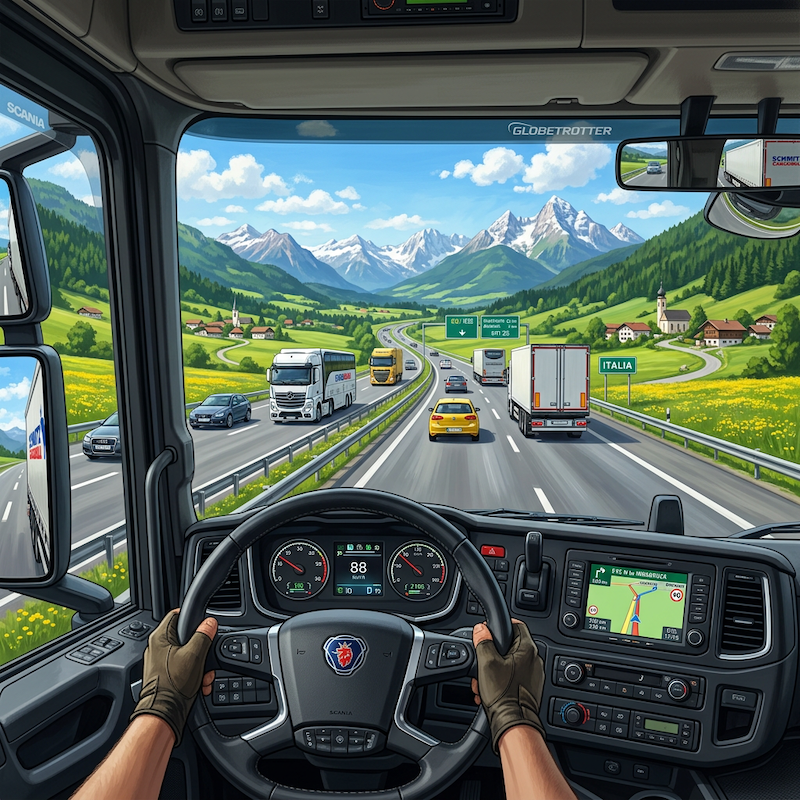
Driving simulators used to be little more than training tools for new drivers. Today’s 3D simulation platforms are far more sophisticated, capable of recreating real roadways down to the lane markings and traffic signal timing, then measuring exactly how a driver reacts under pressure. The results have given researchers a much clearer picture of the […]
Advances in computing power and simulation technology have enabled highly realistic 3D driving simulations, moving beyond basic training tools to sophisticated research platforms.
Sophisticated 3D driving simulations provide granular data on human-vehicle interaction and common errors, which is critical for refining autonomous vehicle development and improving road safety regulations.
The ability to precisely measure driver reactions in virtual environments offers new insights into human error, accelerating the development of safer ADAS and AV systems and informing accident investigation practices.
- · Autonomous Vehicle Developers
- · ADAS Manufacturers
- · Insurance Companies
- · Road Safety Regulators
- · Traditional Accident Investigation Methods
- · Automakers without strong simulation capabilities
Refined understanding of human driving deficiencies leads to more robust and human-centric autonomous driving systems.
Reduced accident rates due to improved ADAS features and more intelligent autonomous vehicles, impacting insurance premiums and urban planning.
Potential for new legal frameworks for liability in mixed-autonomy environments based on simulation-derived data on human and algorithmic fault.
This signal links to a primary source. Continuum Brief monitors and indexes it as part of the live intelligence stream — we do not republish source content.
Read at Robotics & Automation News