Companies are now using automatic Windows installers to display Adware through the Microsoft Store when you install new hardware — customer immediately gets McAfee ads on their PC after connecting new LG monitor; here's how to block the new ads
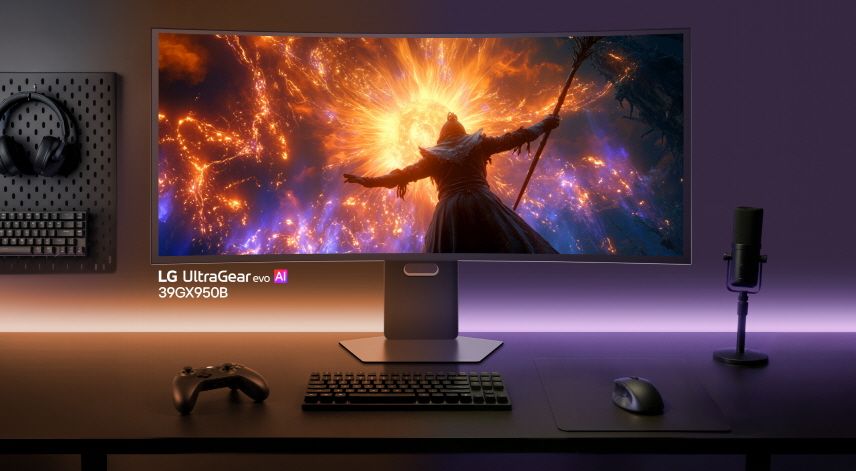
LG monitors apparently auto-install an app on your PC when you first connect them, all thanks to the Microsoft Store.
This development highlights the increasing convergence of hardware and software distribution channels, leveraging automated installation methods which are expanding beyond traditional software. The Microsoft Store's reach and the desire for hardware manufacturers to integrate software services create fertile ground for this issue.
This indicates a significant shift in how third-party software, including potentially unwanted programs, can be delivered to end-users without explicit consent, blurring the lines between hardware functionality and software distribution mechanisms. It raises concerns about user privacy, system integrity, and the potential for adware proliferation through previously trusted hardware brands.
Hardware installation can now serve as an involuntary software distribution channel, moving beyond simple drivers to full applications with commercial agendas. Users must now be vigilant about software installed automatically by new peripherals, not just direct downloads.
- · Microsoft (via Store engagement)
- · Adware companies (e.g., McAfee)
- · Hardware manufacturers seeking revenue streams
- · End-users (privacy, system cleanliness)
- · Hardware brands (reputation if associated with adware)
- · IT security teams
Increased user frustration and distrust towards automated hardware setup processes.
Potential for regulations or industry standards to limit unsolicited software installations tied to hardware.
A broader decline in user willingness to simply 'plug and play' new hardware, leading to more cautious and manual setups.
This signal links to a primary source. Continuum Brief monitors and indexes it as part of the live intelligence stream — we do not republish source content.
Read at Tom's Hardware