Congressional report tallies 42 US aircraft lost or damaged in Operation Epic Fury
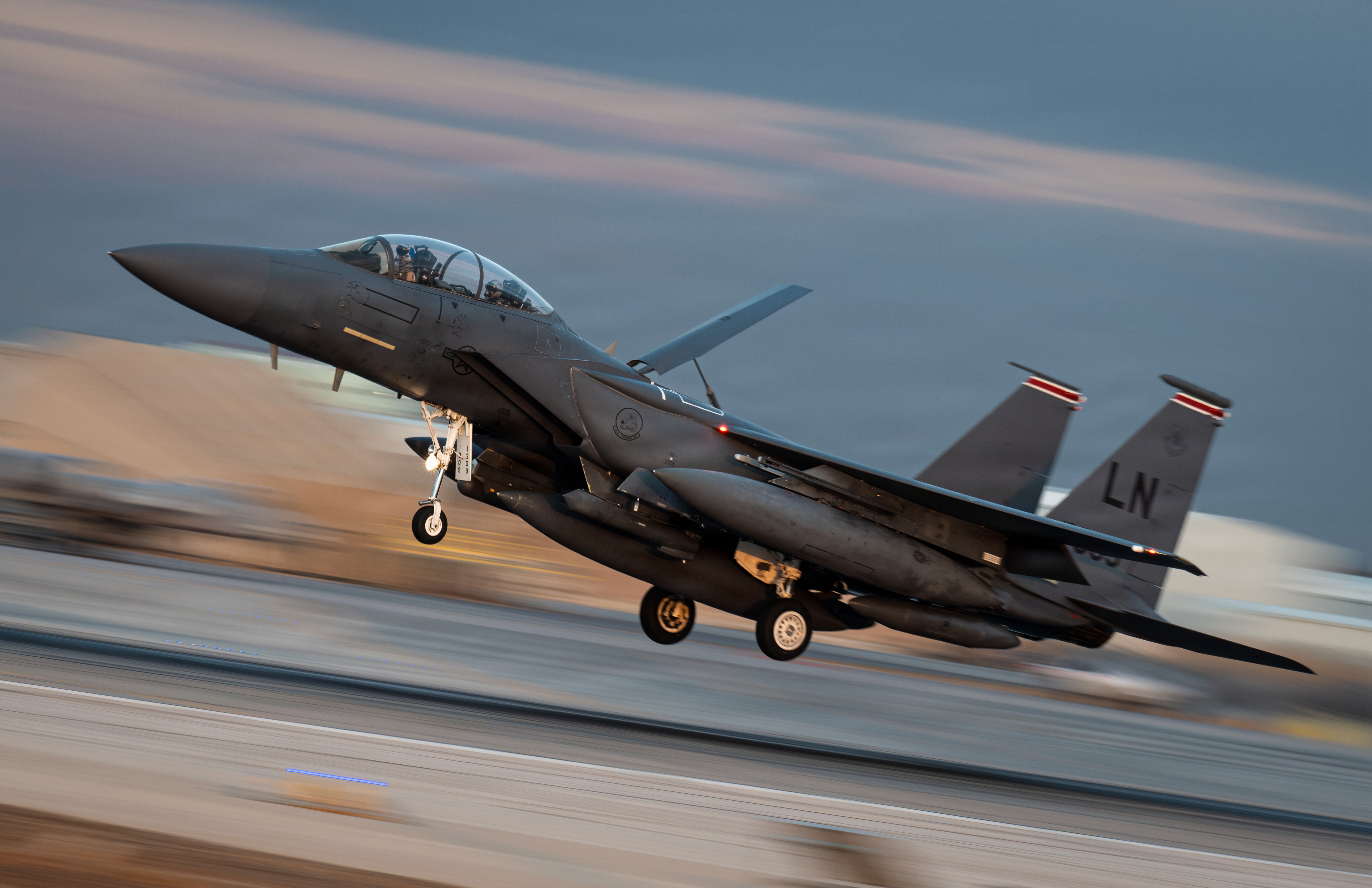
Drones took the heaviest hit, accounting for 25 of the 42 aircraft losses listed in the report.
This report quantifies the vulnerability of current military aviation assets, especially drones, in contested environments, prompted by recent combat operations.
It highlights the imperative for Western defense forces to rapidly pivot towards more resilient and potentially expendable drone technologies to maintain air superiority.
The perceived durability and operational cost-effectiveness of current drone fleets in active combat zones are now being critically re-evaluated, potentially accelerating next-gen procurement.
- · Drone manufacturers specializing in expendable or stealth platforms
- · Defense contractors developing counter-drone systems
- · Military R&D budgets for autonomous systems
- · Incumbent drone manufacturers with less resilient designs
- · Traditional manned aircraft programs facing budget re-allocations
- · Air forces relying on large, expensive drones
Demand for lower-cost, more numerous, and more survivable drone systems will increase significantly.
There will be increased pressure to develop and deploy AI-enabled autonomous air combat systems to reduce human-in-the-loop dependencies in high-threat environments.
The definition of 'air superiority' could shift from high-value manned aircraft to swarms of affordable, attritable autonomous units.
This signal links to a primary source. Continuum Brief monitors and indexes it as part of the live intelligence stream — we do not republish source content.
Read at Navy Times