Congressional report tallies 42 US aircraft lost or damaged in Operation Epic Fury
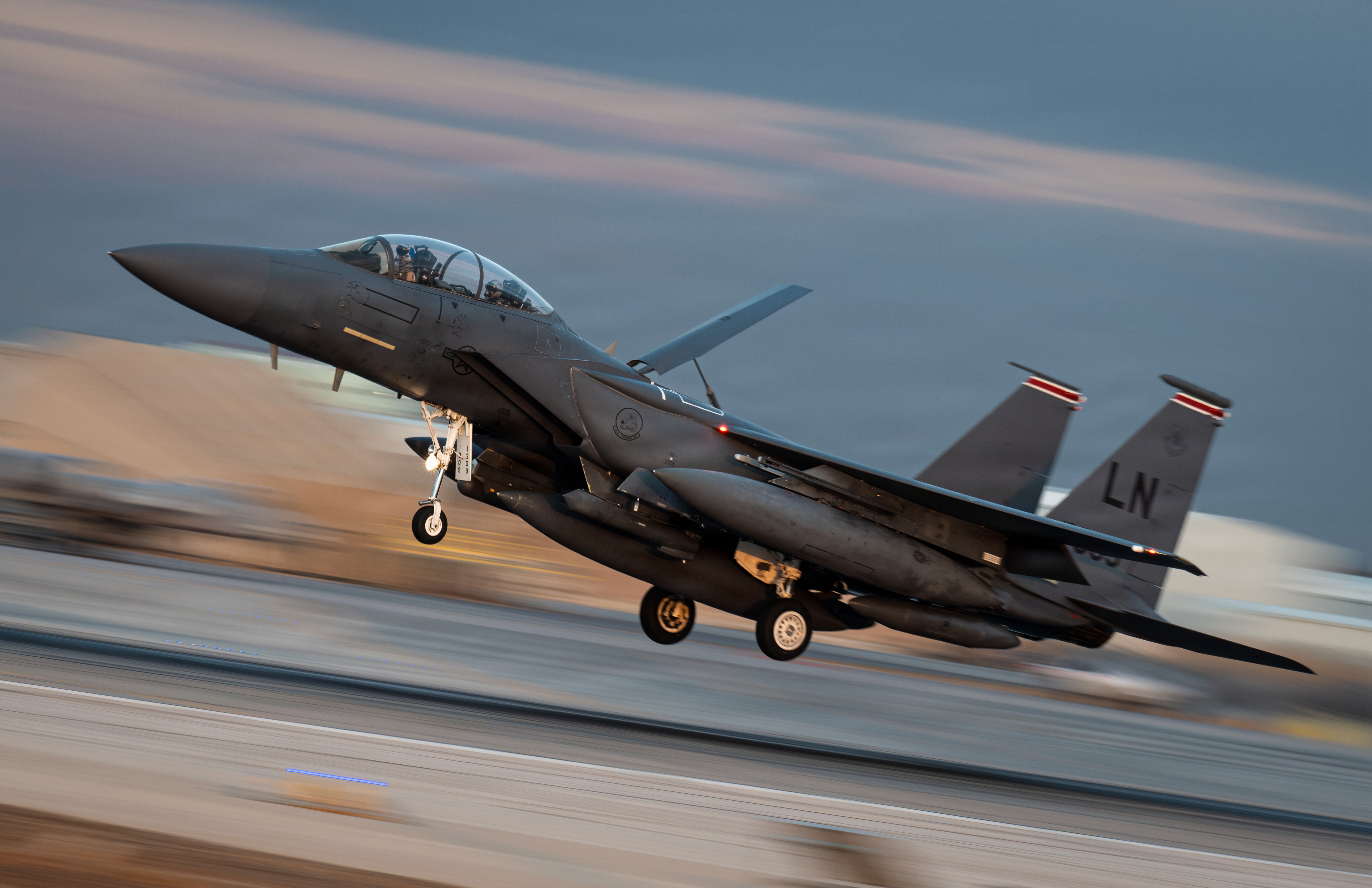
Drones took the heaviest hit, accounting for 25 of the 42 aircraft losses listed in the report.
The report provides a recent, concrete data point on the vulnerability and attrition rates of modern military assets, especially uncrewed systems, in active operations.
A strategic reader should care as it highlights the operational realities and fragilities of current defense technology, pushing for faster recapitalization and strategic shifts in procurement.
The significant loss of drones underscores a need to rethink drone resilience, counter-drone measures, and the overall volume and cost-effectiveness of uncrewed systems in modern warfare.
- · Defense contractors specializing in counter-drone systems
- · Manufacturers of inexpensive, mass-producible drones
- · Developers of electronic warfare and stealth technologies
- · Operators of expensive, easily detectable drones
- · Defense departments relying on legacy platforms
- · Military doctrines favoring limited, high-value assets
Increased funding and strategic emphasis will shift towards developing more resilient, autonomous, and cost-effective drone systems, as well as robust counter-drone capabilities.
This attrition rate could accelerate a move towards 'mass-over-quality' in uncrewed systems, favoring large quantities of expendable drones over a few highly advanced ones.
The perceived vulnerability of drones might drive greater investment in AI-driven autonomous systems that can operate with less human oversight, reducing the risk to human operators and potentially improving operational tempo.
This signal links to a primary source. Continuum Brief monitors and indexes it as part of the live intelligence stream — we do not republish source content.
Read at Defense News