DARPA plans 30-year endurance nuclear waste batteries to power next-gen drones, says report — project SYMPHONEE aims to harvest Strontium-90 to power persistent military drones
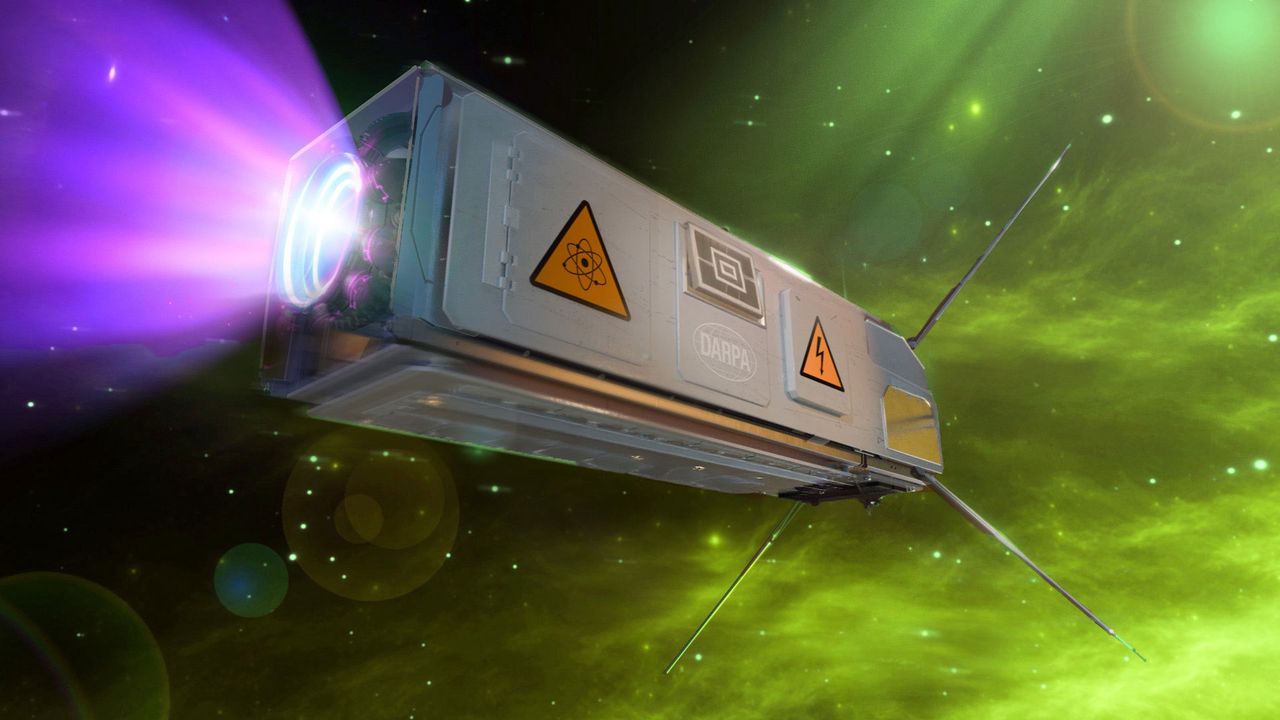
A report suggests that upcoming nuclear waste-powered radiovoltaic batteries could last as long as 30 years and power next-gen drones.
Advances in radiovoltaic technology are reaching a point where nuclear waste byproducts like Strontium-90 can be safely and efficiently harvested for long-duration power, aligning with military needs for persistent unmanned systems.
This development represents a potential paradigm shift in drone endurance, dramatically extending operational capabilities and reducing reliance on conventional power sources for critical defense applications.
The operational range and persistence of military drones, particularly for surveillance and reconnaissance, could increase from hours or days to decades, fundamentally altering strategic planning and logistics.
- · Defense contractors
- · Nuclear waste management companies
- · Military intelligence agencies
- · Drone manufacturers
- · Conventional battery manufacturers (for defense drones)
- · Logistics chains for drone refueling/recharging
- · Energy-intensive drone designs
Military drones will gain unprecedented operational endurance, enabling continuous, long-term missions without human intervention for power.
The strategic value of nuclear waste will increase, potentially leading to new industries focused on reprocessing and repurposing spent fuel for energy solutions.
This could accelerate the development of autonomous military systems, potentially leading to fully self-sustaining, long-duration robotic platforms with global reach and pervasive surveillance capabilities.
This signal links to a primary source. Continuum Brief monitors and indexes it as part of the live intelligence stream — we do not republish source content.
Read at Tom's Hardware