Datacenters dip a toe back into waterborne computing despite obvious challenges
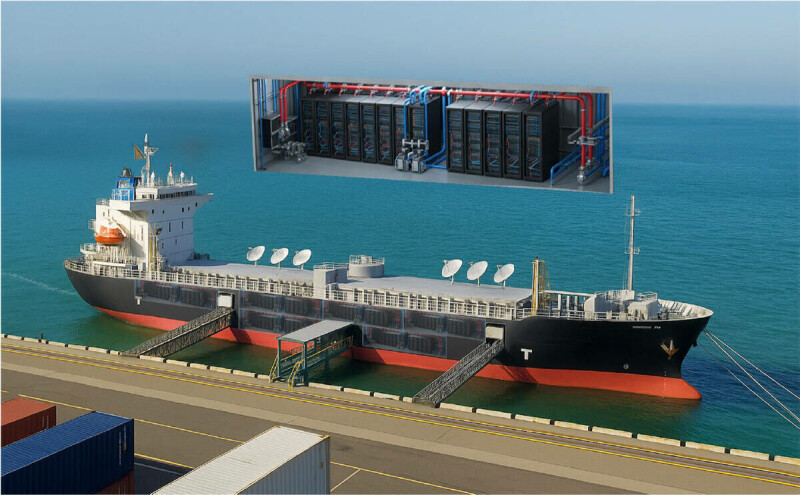
Floating or sub-surface bit barns are all the rage, but unlikely to compete with multi-gigawatt sites
The increasing power demands and cooling challenges of modern datacenters, particularly for AI workloads, are driving renewed interest in alternative cooling and power solutions like waterborne infrastructure.
Sophisticated readers should care because energy consumption and cooling requirements are becoming critical bottlenecks for AI and high-performance computing, pushing innovation into previously niche or discarded solutions.
This indicates a growing acceptance and exploration of novel infrastructure designs, even if currently limited in scale, hinting at future diversification beyond traditional land-based 'bit barns'.
- · Marine engineering firms
- · Hyperscalers exploring sustainable infrastructure
- · Manufacturers of sub-surface cooling technologies
- · Traditional air-cooled datacenter operators
- · Regions lacking access to large water bodies
Increased R&D and pilot projects for water-based datacenter solutions will occur.
New standards and regulatory frameworks for submerged or floating infrastructure will emerge, impacting coastal zone management and energy grids.
The geographical distribution of compute power could shift towards coastal and water-rich regions, influencing national digital sovereignty and energy grid development.
This signal links to a primary source. Continuum Brief monitors and indexes it as part of the live intelligence stream — we do not republish source content.
Read at The Register