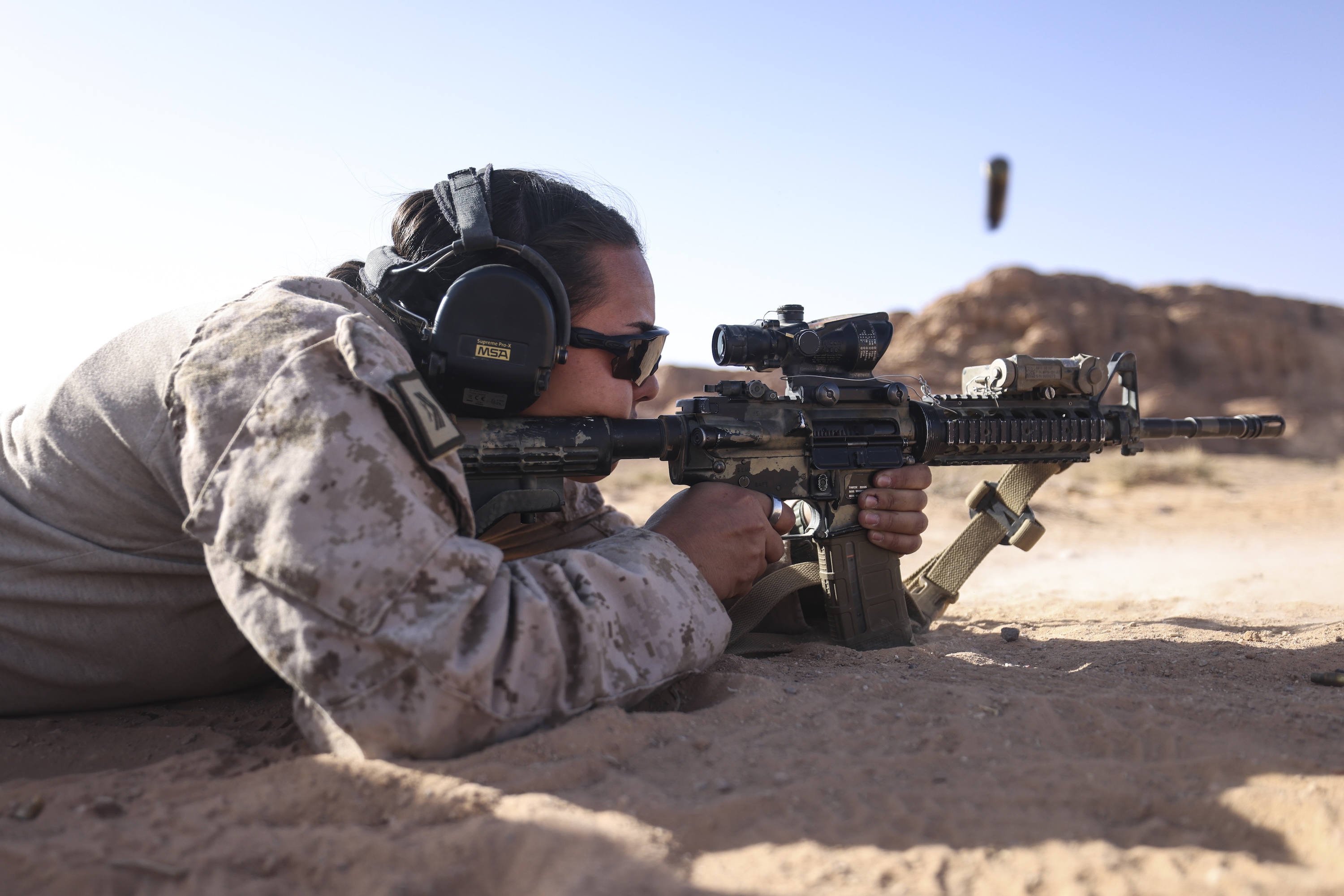
The amendments follow Hegseth’s order that all the services develop gender-neutral physical fitness standards for all troops in ground combat roles.
The ongoing debate reflects a societal evolution and a military necessity to optimize recruitment pools and operational effectiveness.
This policy change directly impacts military readiness, recruitment strategies, and the demographics of the armed forces, potentially setting precedents for other nations.
The formal implementation of gender-neutral physical fitness standards for ground combat roles shifts from gender-based assumptions to performance-based metrics, increasing competition and potentially diversifying combat units.
- · High-performing female recruits
- · Military branches seeking diverse talent
- · Advocates for gender equality in military
- · Individuals unable to meet new standards
- · Traditionalists resistant to change
Increased female participation in direct combat roles will likely occur, aligning with physical capabilities rather than gender.
This could lead to further re-evaluation of gender roles and integration policies across all military functions and potentially other demanding professions.
Long-term societal perceptions of gender capabilities in physically demanding roles may shift, fostering broader acceptance of women in traditionally male-dominated fields.
This signal links to a primary source. Continuum Brief monitors and indexes it as part of the live intelligence stream — we do not republish source content.
Read at Army Times