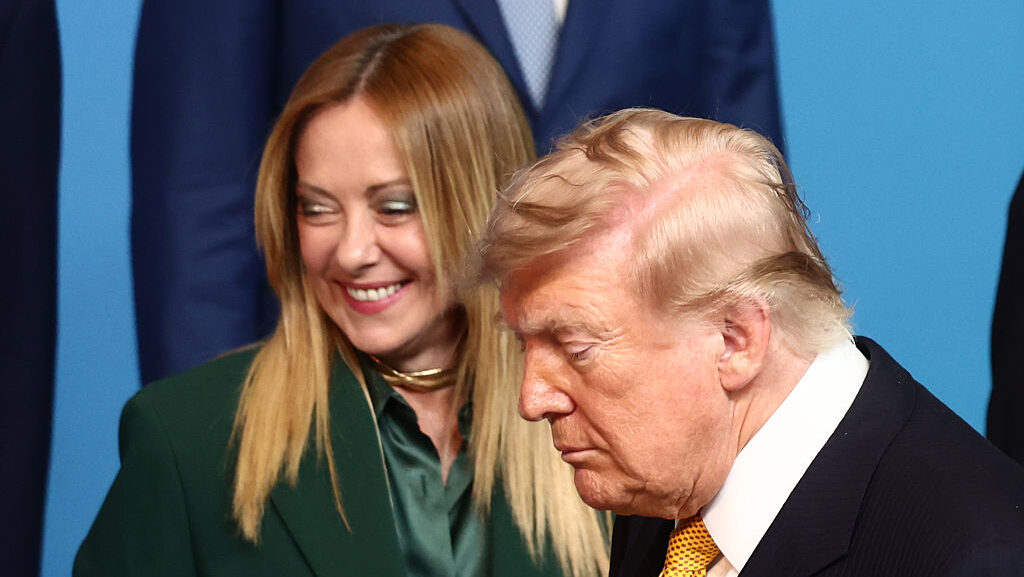
At the start of the NATO Summit, the American president lambasted allied nations that refused to aid in US strikes against Tehran, including Italy.
The NATO Summit serves as a flashpoint for US-European tensions regarding military interventions and sovereign foreign policy decisions, specifically concerning Iran.
This event highlights the growing divergence between American and European foreign policy objectives, particularly regarding military engagement in the Middle East, challenging NATO unity and resource allocation.
The explicit defiance from a key NATO ally like Italy reduces the perceived cohesiveness of the alliance and complicates future US-led military actions.
- · Iran
- · European diplomatic autonomy
- · Anti-war movements in Europe
- · US global influence
- · NATO unity
- · Alliance-based military intervention strategies
Immediate friction between the US and European NATO members regarding military doctrine and burden-sharing.
Increased pressure on European nations to develop independent defense capabilities and foreign policy agendas, potentially weakening NATO's collective security framework.
A potential realignment of geopolitical alliances as countries seek partners aligned with their specific foreign policy and defense priorities, reducing reliance on traditional structures.
This signal links to a primary source. Continuum Brief monitors and indexes it as part of the live intelligence stream — we do not republish source content.
Read at Breaking Defense — Air