Dems slam Trump for making cybersecurity hold out the tin cup while splurging on ballroom and Jan. 6 'slush fund'
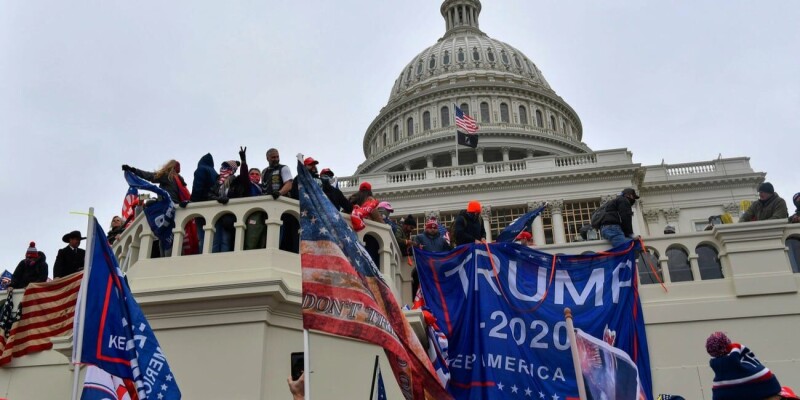
'Budgets are moral documents,' Rep. Delia Ramirez said
The US political cycle is intensifying, bringing scrutiny to budget allocations and highlighting perceived discrepancies in funding priorities, particularly concerning national security versus political expenditures.
This item illustrates a persistent tension between political spending priorities and critical national infrastructure needs, which can have tangible impacts on cybersecurity resilience and national security.
The renewed public debate around federal budget priorities for cybersecurity could influence future legislative directions and public perception of government spending, potentially leading to reallocations.
- · Cybersecurity advocacy groups
- · Political opposition parties
- · Cybersecurity vendors (if budgets are increased)
- · US federal agencies with underfunded cybersecurity mandates
- · Taxpayers (due to potential inefficiencies or vulnerabilities)
Increased political pressure on the current administration to justify budget decisions related to cybersecurity and national security becomes visible.
Public discourse on the adequacy of cybersecurity funding could prompt congressional hearings or inspire legislative efforts to mandate minimal cybersecurity spending levels.
Long-term underfunding of critical cybersecurity infrastructure could lead to a significant national security incident, forcing a reactive, rather than proactive, policy shift.
This signal links to a primary source. Continuum Brief monitors and indexes it as part of the live intelligence stream — we do not republish source content.
Read at The Register