Deterring Russia Beneath the Waves: Securing NATO’s Critical Undersea Infrastructure
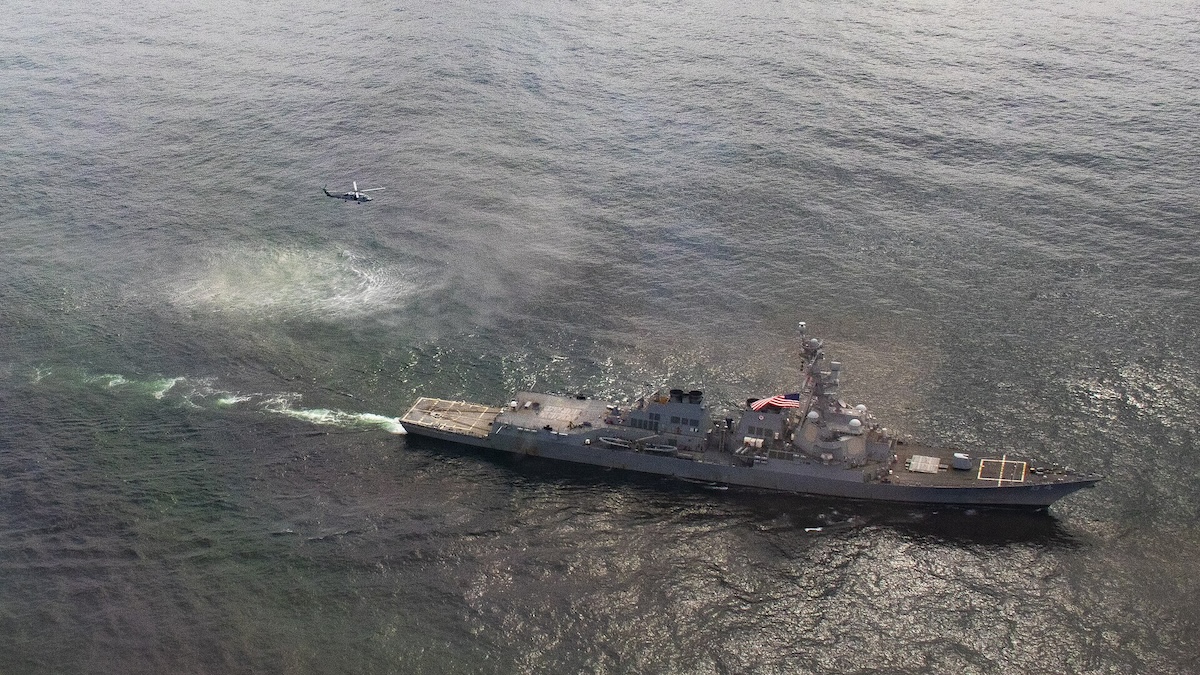
What would happen if you woke up one morning and the internet was gone — not from a software glitch, but because someone had simply cut the wire?Threats to critical undersea infrastructure are rapidly escalating. In 2023, the Balticonnector pipeline and several Baltic data cables were damaged. A year later, four Red Sea cables were cut, disrupting a quarter of data traffic between Asia and Europe, with further incidents across the Baltic. In total, between January 2024 and July 2025, roughly 44 incidents of cable damage were recorded. Not all were deliberate, but Russia’s activity has grown br
The increasing frequency of incidents damaging critical undersea infrastructure, coupled with attributed and suspected Russian involvement, highlights an immediate and growing threat.
Damage to undersea cables and pipelines can severely disrupt global communication, data transfer, and energy supply, posing significant economic and national security risks.
The focus on protecting undersea infrastructure has intensified, leading to increased investment in surveillance, hardening, and rapid repair capabilities across NATO nations.
- · Defence contractors
- · Naval forces
- · Cable repair companies
- · Maritime surveillance technology providers
- · Global internet users
- · Data-dependent industries
- · Economies reliant on secure energy supply
- · Russia (due to increased NATO focus)
NATO and its allies will increase investment in undersea domain awareness and protection capabilities.
New international protocols and cooperation frameworks will emerge to secure critical undersea infrastructure against hybrid threats.
The increased risk premium on undersea cable and pipeline installations could lead to higher costs for data transmission and energy distribution, potentially accelerating satellite internet adoption.
This signal links to a primary source. Continuum Brief monitors and indexes it as part of the live intelligence stream — we do not republish source content.
Read at War on the Rocks