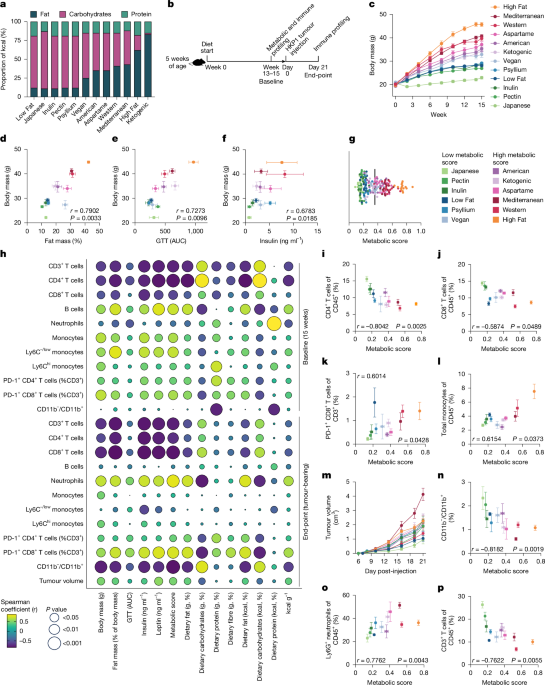
Nature, Published online: 08 July 2026; doi:10.1038/s41586-026-10750-x Diet shapes obesity-associated therapeutic responses to immune checkpoint inhibitors through gut microbial metabolism and host anti-tumour immunity, demonstrated in mouse custom-diet models and human-to-mouse fecal microbiota transplantation experiments.
This research provides a deeper, mechanistic understanding of how lifestyle factors critically influence the effectiveness of advanced cancer therapies, driven by ongoing advancements in microbiome science and personalized medicine.
A strategic reader should care because this links two major health challenge areas—obesity and cancer immunotherapy—through the actionable lever of diet and the microbiome, potentially unlocking new therapeutic pathways.
The understanding of immunotherapy efficacy now includes a significant dietary and microbial component, moving treatments further towards personalized approaches that consider a patient's exposome.
- · Biotech companies specializing in microbiome therapeutics
- · Oncology drug developers focusing on combination therapies
- · Personalized nutrition companies
- · Dietary supplement manufacturers
- · Immunotherapy companies without microbiome research focus
- · One-size-fits-all cancer treatment paradigms
Patients suffering from obesity-associated cancers may receive more effective, tailored immunotherapy regimens.
Increased investment and research into dietary interventions and microbiome modulation as adjuncts to cancer treatment will follow.
This could lead to a societal shift in how preventive healthcare integrates dietary advice with advanced medical treatments, potentially reducing disease burden.
This signal links to a primary source. Continuum Brief monitors and indexes it as part of the live intelligence stream — we do not republish source content.
Read at Nature — Latest Research