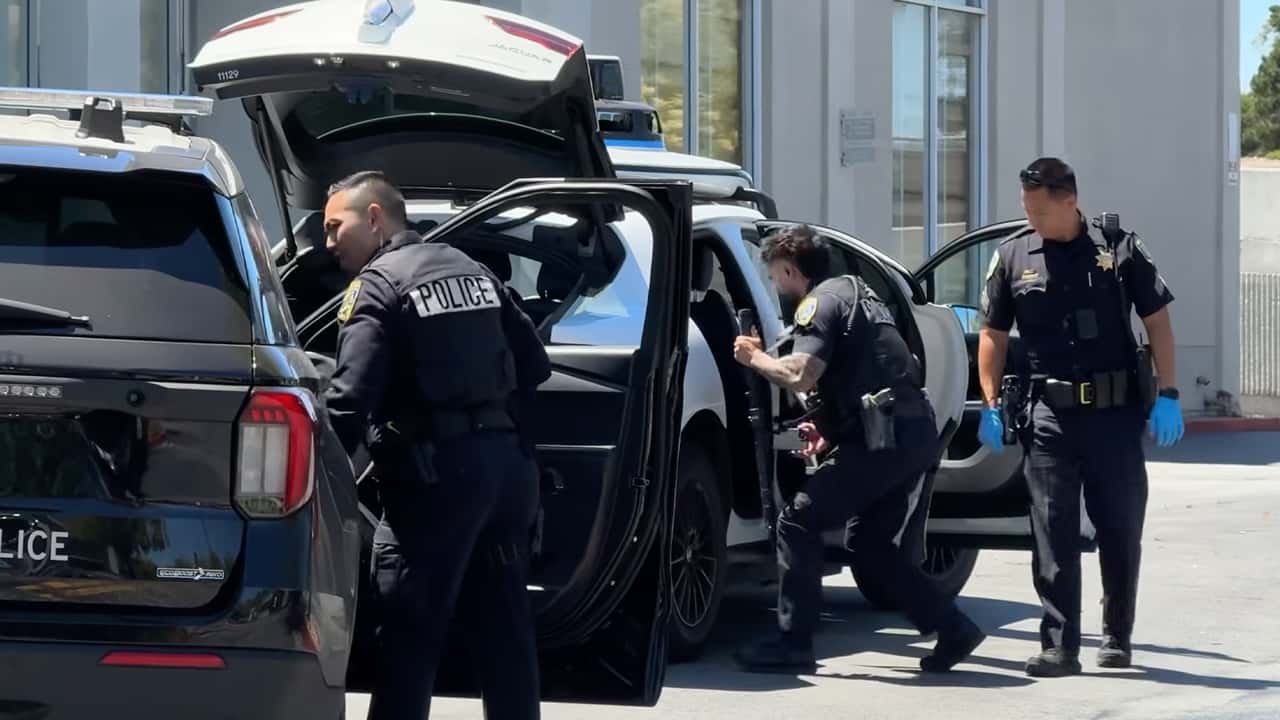
Two California teens thought they were taking a robotaxi home. Waymo quietly called the cops.
This incident highlights an emerging reality as autonomous vehicles become more common, interfacing with public behavior and law enforcement, pushing the boundaries of their operational design domains.
It underscores the nascent legal and social frameworks required for widespread autonomous system deployment, emphasizing the need for clear protocols between AI systems, users, and authorities.
The interaction between autonomous systems and human behavior is now demonstrably including law enforcement, creating new precedents for how robotaxis respond to and manage passenger conduct.
- · Autonomous vehicle developers prioritizing robust incident response protocols
- · Law enforcement agencies trained in engaging with autonomous systems
- · Autonomous vehicle companies neglecting social interaction design
- · Individuals treating robotaxis as consequence-free spaces
Waymo's user agreement terms and operational protocols will likely be scrutinized and updated to explicitly address passenger misconduct.
Other robotaxi operators will accelerate the development and implementation of similar remote monitoring and incident reporting capabilities.
Public perception of autonomous vehicles could shift, emphasizing their role as watchful, rule-enforcing entities capable of directly involving authorities.
This signal links to a primary source. Continuum Brief monitors and indexes it as part of the live intelligence stream — we do not republish source content.
Read at InsideEVs