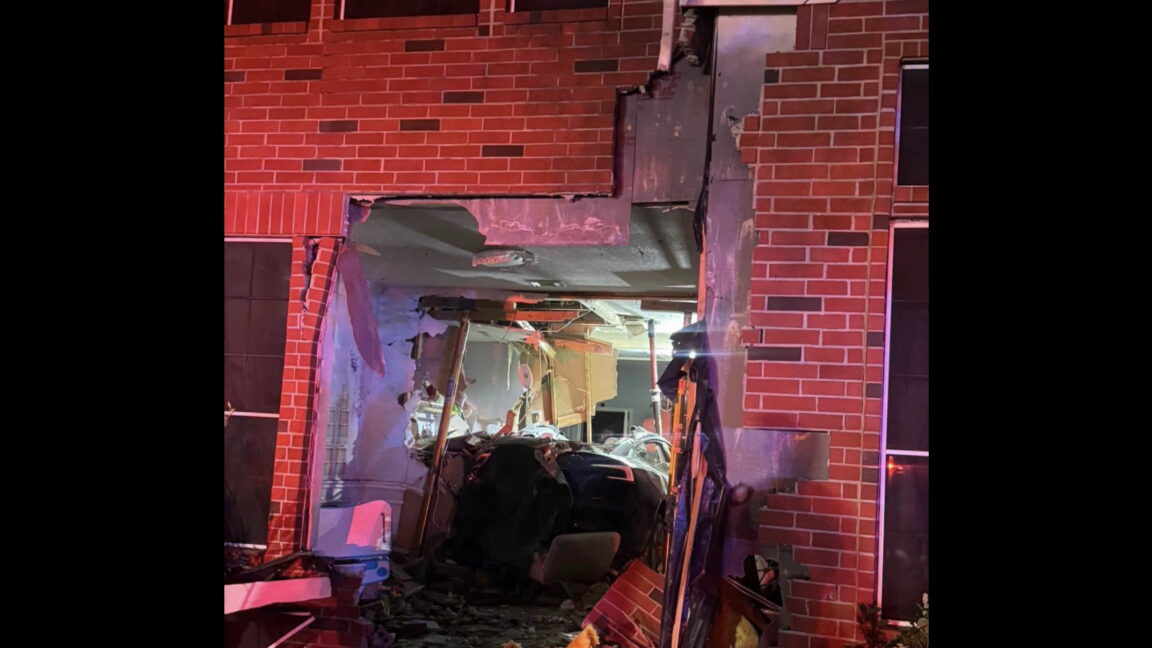
Tesla touts Autopilot as lifesaving a day after grandmother died in crash.
The proliferation of doorbell cameras and continuous public awareness of autonomous vehicle incidents mean such events are rapidly brought to light and scrutinized, forcing immediate reactions instead of slow-burn revelations.
This incident underscores the critical safety challenges and regulatory pressures facing the automated vehicle industry, particularly regarding public perception and the trustworthiness of AI-driven systems in sensitive applications.
The immediate public narrative around Tesla's Autopilot and potentially the wider autonomous vehicle sector becomes more critical and skeptical, accelerating calls for stricter testing and regulation.
- · Safety advocates
- · Traditional automotive manufacturers (cautious AV development)
- · Tesla's 'Full Self-Driving' brand
- · Autonomous vehicle startups with less robust safety records
Increased scrutiny and potential investigations into Tesla's Autopilot system by regulatory bodies.
Heightened public skepticism and resistance to broader adoption of autonomous driving features, potentially slowing market penetration.
Introduction of more stringent national or international standards for autonomous vehicle testing and deployment, affecting all players in the sector.
This signal links to a primary source. Continuum Brief monitors and indexes it as part of the live intelligence stream — we do not republish source content.
Read at Ars Technica — Cars