Drone breaks world speed record with 453 mph in test run — exotic sawtooth carbon fiber propeller blades one of the key advances in the Blackbird design
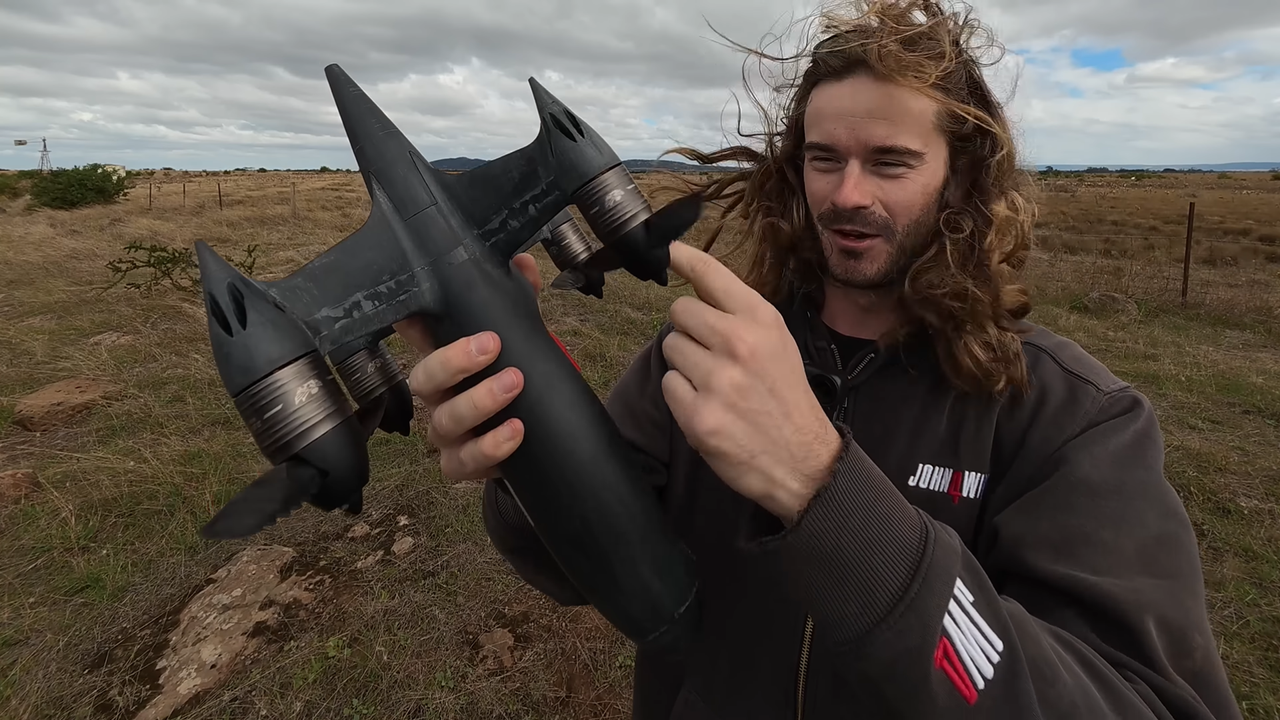
A YouTuber duo unofficially broke the world record using a custom-made carbon fiber propeller blade that featured exotic sawtooth leading edges. The first test ended in a disaster, though, after the drone lost contact and crashed at 393 mph.
Advances in materials science and propulsion design, particularly with carbon fiber composites, are enabling new benchmarks in drone performance.
This event demonstrates significant progress in drone technology, particularly in speed and material innovation, which has implications beyond hobbyist applications.
The potential for drones to operate at much higher speeds is becoming more evident, driven by specialized design and material breakthroughs.
- · Drone manufacturers
- · Advanced materials science companies
- · Aerospace engineering
- · Traditional surveillance methods
- · Less agile drone designs
The drone speed record highlights the evolving capabilities of unmanned aerial vehicles (UAVs).
Increased drone speeds could lead to more efficient delivery systems, faster reconnaissance, or advanced military applications.
The material innovations could transfer to other aerospace or automotive sectors seeking high-performance, lightweight components.
This signal links to a primary source. Continuum Brief monitors and indexes it as part of the live intelligence stream — we do not republish source content.
Read at Tom's Hardware