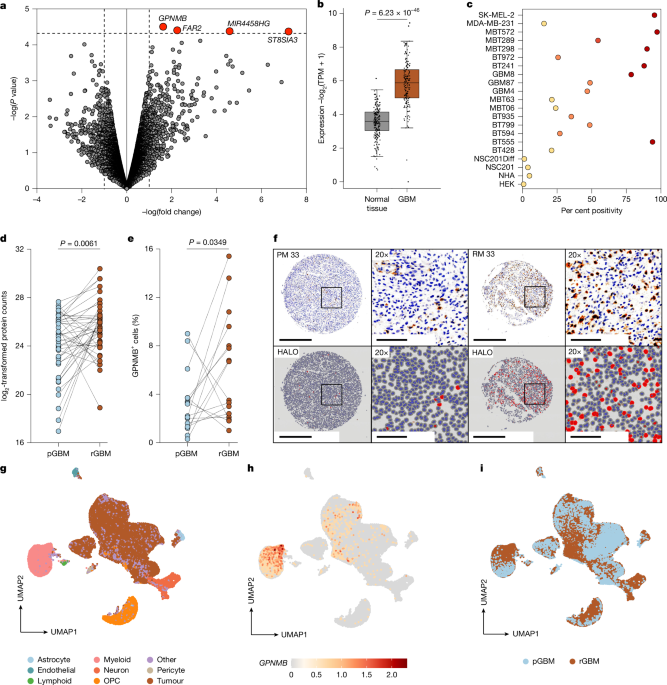
Nature, Published online: 01 July 2026; doi:10.1038/s41586-026-10641-1 Integrated multi-omic profiling of glioblastoma reveals GPNMB as a shared antigen in tumour cells and the surrounding microenvironment, and GPNMB-targeted chimeric antigen receptor T cells demonstrate therapeutic activity in vitro and in animal models.
This research provides a novel CAR-T cell strategy specifically targeting glioblastoma, a highly aggressive and difficult-to-treat brain cancer, offering new therapeutic avenues.
It demonstrates a significant step towards more effective treatments for aggressive cancers, potentially improving patient outcomes and validating new approaches in immunotherapy.
The identification of GPNMB as a shared antigen and the therapeutic activity of GPNMB CAR-T cells open a new pathway for glioblastoma treatment, moving beyond current limited options.
- · Oncology patients
- · Biotechnology sector
- · Immunotherapy researchers
- · Traditional chemotherapy manufacturers
- · Glioblastoma
Successful clinical trials could lead to a new standard of care for glioblastoma.
The methodology might be adapted to target other difficult-to-treat solid tumors with similar microenvironments.
This could accelerate investment and research into personalized cancer therapies and broader applications of CAR-T technology.
This signal links to a primary source. Continuum Brief monitors and indexes it as part of the live intelligence stream — we do not republish source content.
Read at Nature — Latest Research