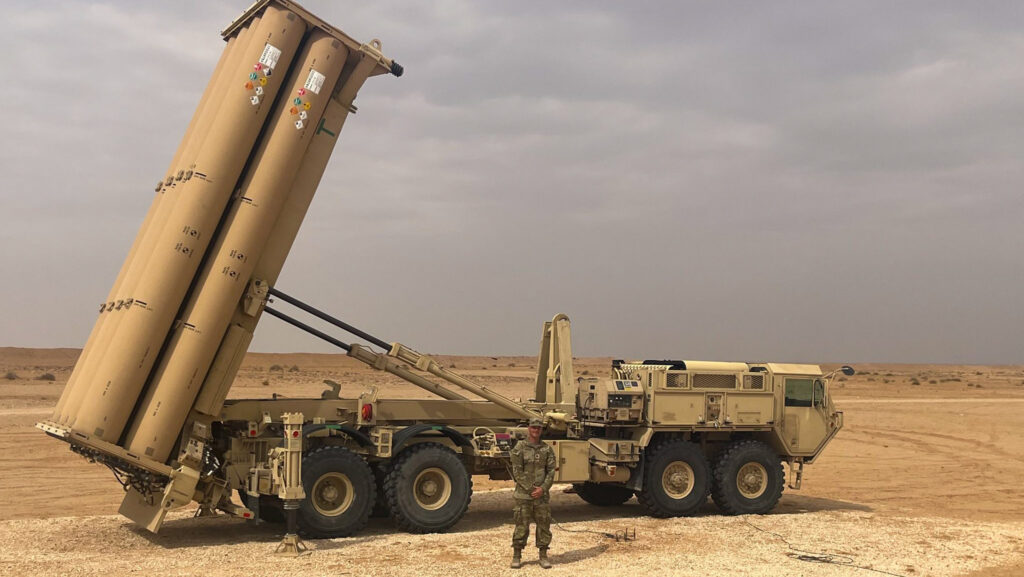
Supply shortages, damaged radars raise concerns about air and missile defense.
The ongoing conflicts and geopolitical tensions are exposing critical vulnerabilities in the defense industrial base, particularly regarding essential components like solid rocket motors.
This highlights a foundational challenge for national security and defense readiness, indicating that current manufacturing capacity is insufficient to meet strategic demands.
Defence procurement strategies and industrial policy will likely need significant overhaul to prioritize domestic manufacturing and supply chain resilience for critical components.
- · Domestic defense manufacturers
- · Companies specializing in advanced manufacturing techniques
- · Allied nations investing in diversified defense industrial bases
- · Nations dependent on aging or inefficient defense supply chains
- · Military branches with high munitions consumption rates
- · Legacy defense contractors unable to scale production quickly
Increased funding and policy initiatives will be directed towards rebuilding critical segments of the defense industrial base.
Defence alliances may strengthen with greater emphasis on shared industrial capacity and supply chain resilience.
The development and adoption of alternative propulsion systems or defense technologies may accelerate to circumvent solid rocket motor dependencies.
This signal links to a primary source. Continuum Brief monitors and indexes it as part of the live intelligence stream — we do not republish source content.
Read at Breaking Defense — Air