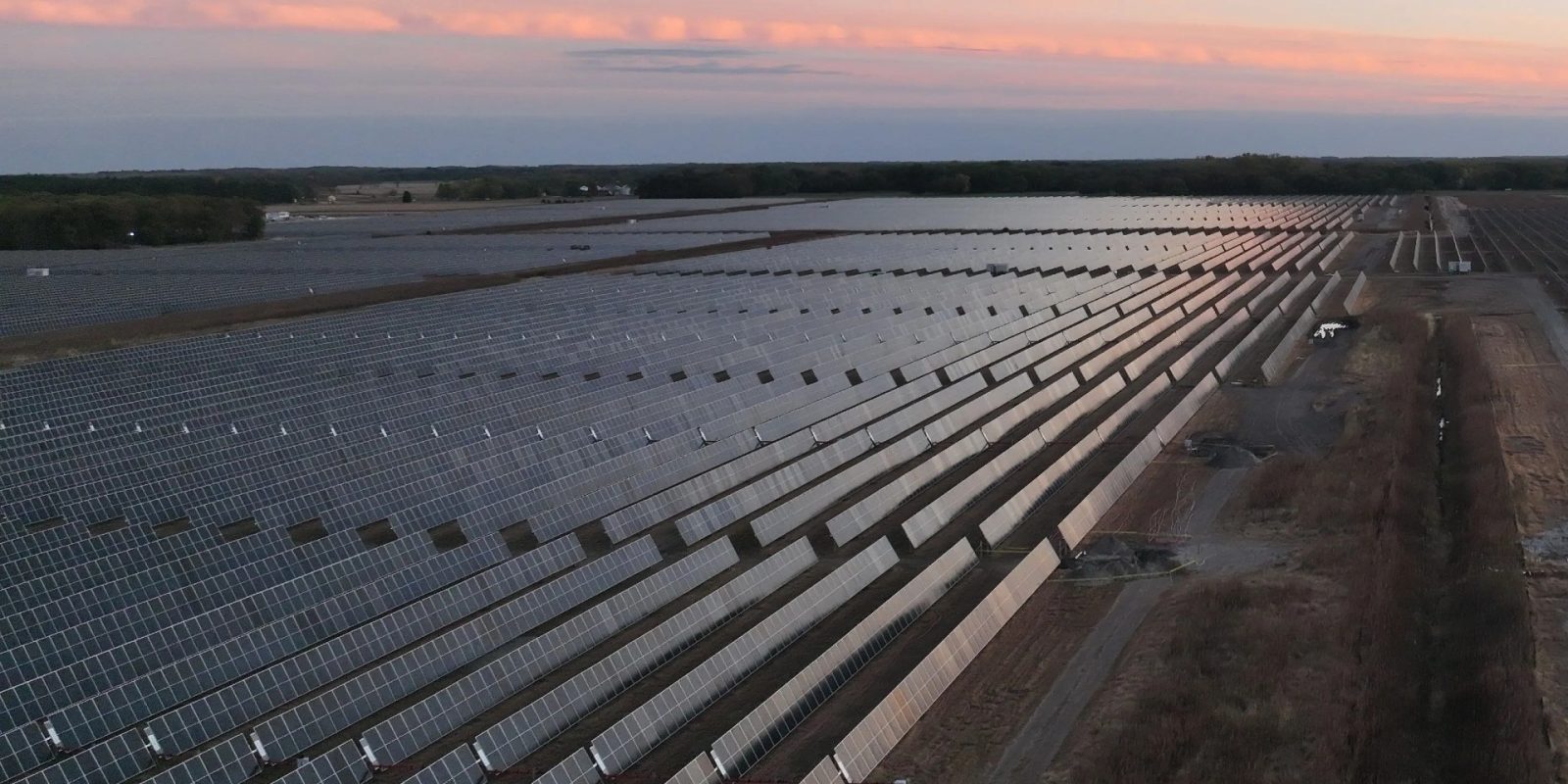
Renewables accounted for 30.0% of total US electrical generation during the first third of 2026, up 2.2% year over year, according to new data recently released by the US Energy Information Administration ( EIA ), and reviewed by the SUN DAY Campaign.
This data point reflects the ongoing and accelerating transition in energy generation methods, driven by policy, cost curves, and increasing demand for sustainable power.
The increasing share of renewables fundamentally alters energy grids, market dynamics, and national energy security, impacting industries from manufacturing to technology.
The US electricity generation mix is demonstrably shifting towards renewables, indicating a sustained trend away from traditional fossil fuel dominance.
- · Renewable energy developers
- · Grid infrastructure companies
- · Energy storage sector
- · Consumers (potentially lower energy costs long-term)
- · Fossil fuel power generators
- · Coal industry
- · Oil and gas exploration (long term)
Increased investment in renewable energy projects and associated infrastructure.
Accelerated retirement of older fossil fuel power plants due to economic unviability.
Reduced national reliance on imported fossil fuels, leading to shifts in geopolitical energy alliances.
This signal links to a primary source. Continuum Brief monitors and indexes it as part of the live intelligence stream — we do not republish source content.
Read at Electrek