Electrifying your fleet isn’t just about going green – it’s about staying in business
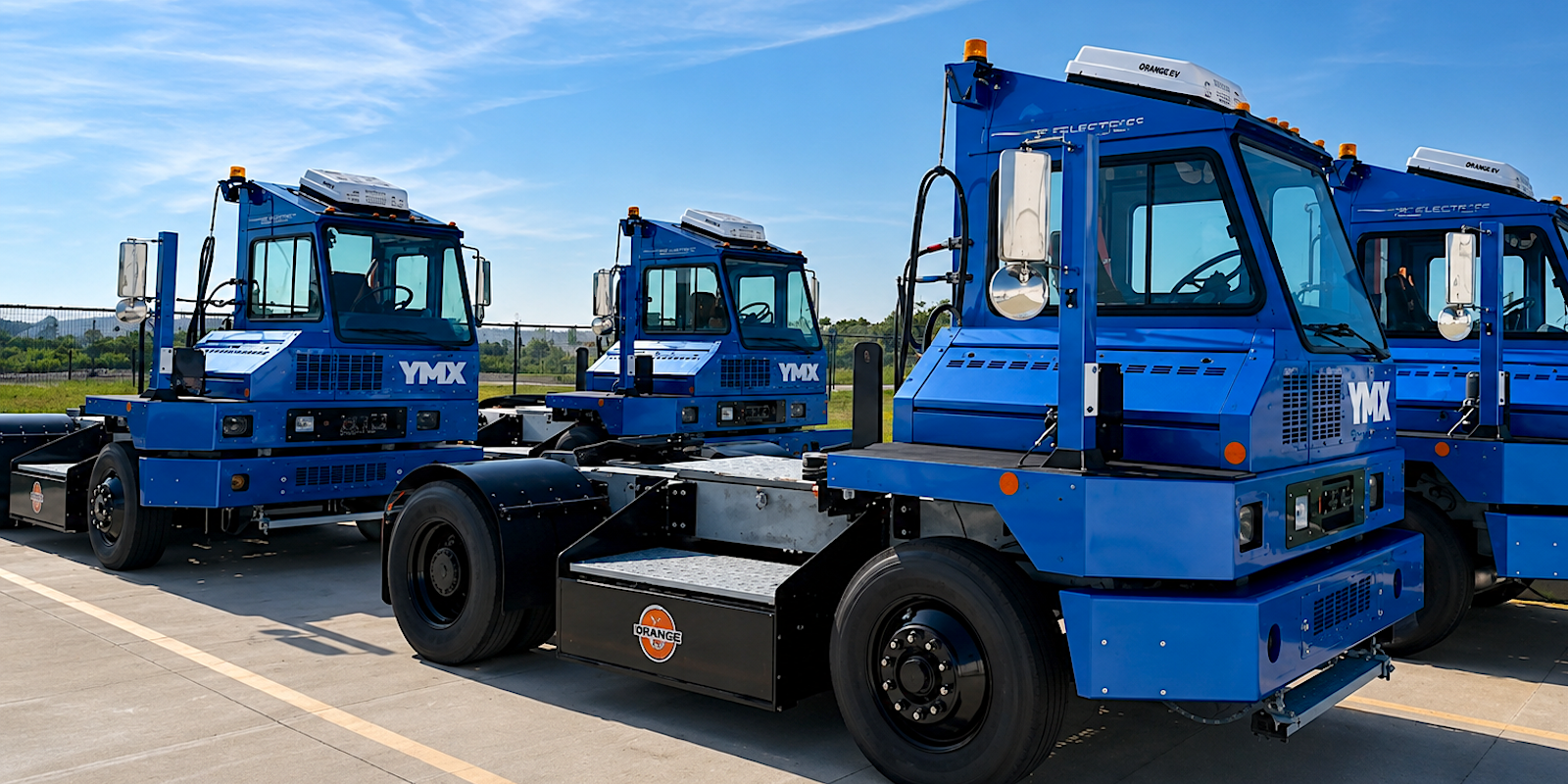
In the world of business, there are two kinds of sustainability – sustainability in the sense that we need a planet to live and breathe on, and sustainability in the sense that the business needs to stay in business. For years, EV proponents have been talking about sustainability of the first kind, but Trump’s war with Iran is proving that going electric can help with sustainability of the second kind, too. more…
Geopolitical instability, such as the referenced 'Trump’s war with Iran,' is actively highlighting the supply chain vulnerabilities of traditional fossil fuels, making energy independence a more pressing business concern.
This perspective reframes fleet electrification from primarily an environmental initiative to a crucial business continuity strategy, impacting operational resilience and long-term viability for companies.
The primary driver for fleet electrification shifts from purely environmental, social, and governance (ESG) factors to include immediate economic and geopolitical risk mitigation, altering investment priorities and adoption rates.
- · EV manufacturers
- · Fleet owners adopting EVs
- · Renewable energy producers
- · EV charging infrastructure companies
- · Fossil fuel industry
- · Internal combustion engine vehicle manufacturers
- · Geopolitically vulnerable supply chains
- · Fleets reliant on volatile fuel prices
Companies accelerate fleet electrification to reduce exposure to volatile fossil fuel markets and geopolitical risks.
Increased demand for electricity and grid infrastructure upgrades as businesses prioritize energy independence through electrification.
National security and economic policies begin to align more strongly with energy transition efforts, framing electrification as a strategic imperative.
This signal links to a primary source. Continuum Brief monitors and indexes it as part of the live intelligence stream — we do not republish source content.
Read at Electrek