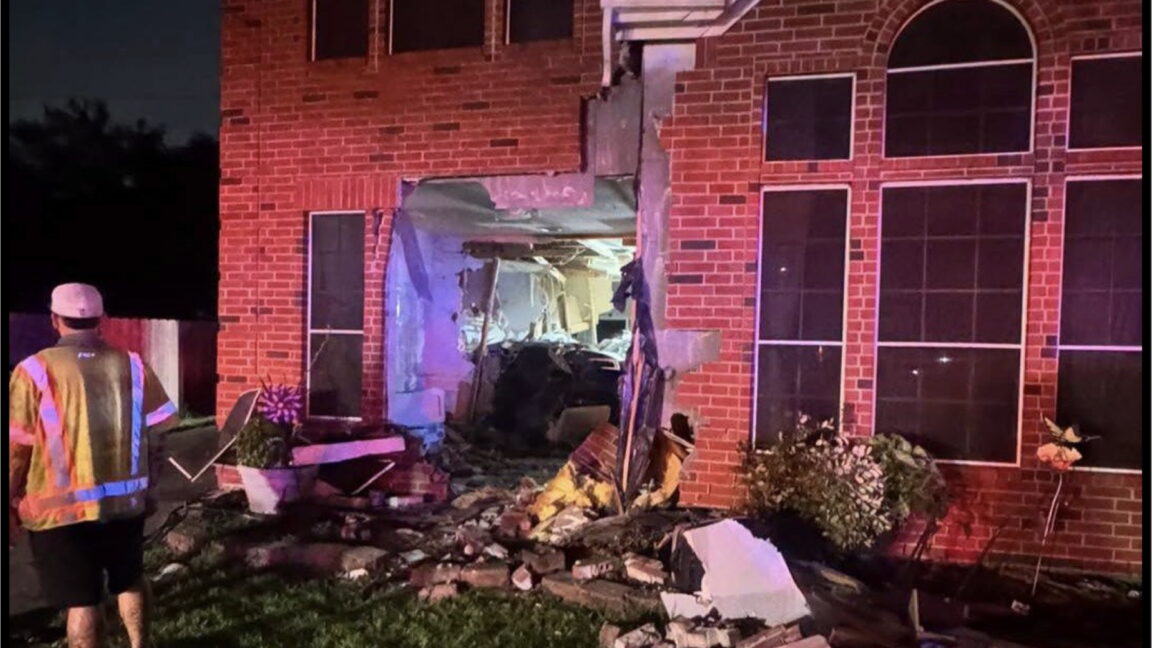
Tesla, accused of failing to fix design flaws, blames driver pressing accelerator.
The ongoing legal and public scrutiny regarding autonomous vehicle safety is intensifying as these technologies become more prevalent on public roads, leading to direct challenges from regulators and victims' families.
This event highlights the critical ongoing debate about culpability and safety standards in autonomous driving, which will significantly shape public perception, regulatory frameworks, and the deployment timelines for self-driving technology.
The focus is shifting increasingly from theoretical safety promises to practical accountability following real-world incidents, pressuring manufacturers to refine their systems and liability positions.
- · Legal and regulatory bodies
- · Traditional automotive safety advocates
- · Insurance companies
- · Tesla's autonomous driving division
- · Autonomous vehicle manufacturers
- · Public trust in full self-driving
Increased regulatory oversight and potential for stricter mandates on autonomous driving features.
Heightened R&D focus on fault-tolerant systems and clearer driver-intervention mechanisms across the AV industry.
A potential slowdown in broad consumer adoption of advanced autonomous features, favoring supervised or assisted driving modes for longer than anticipated.
This signal links to a primary source. Continuum Brief monitors and indexes it as part of the live intelligence stream — we do not republish source content.
Read at Ars Technica — Cars