Elon Musk's SpaceX secures 100% property tax exemption for planned $55 billion Terafab semiconductor factory in Texas — county approves 35-year deal worth hundreds of millions despite resident backlash
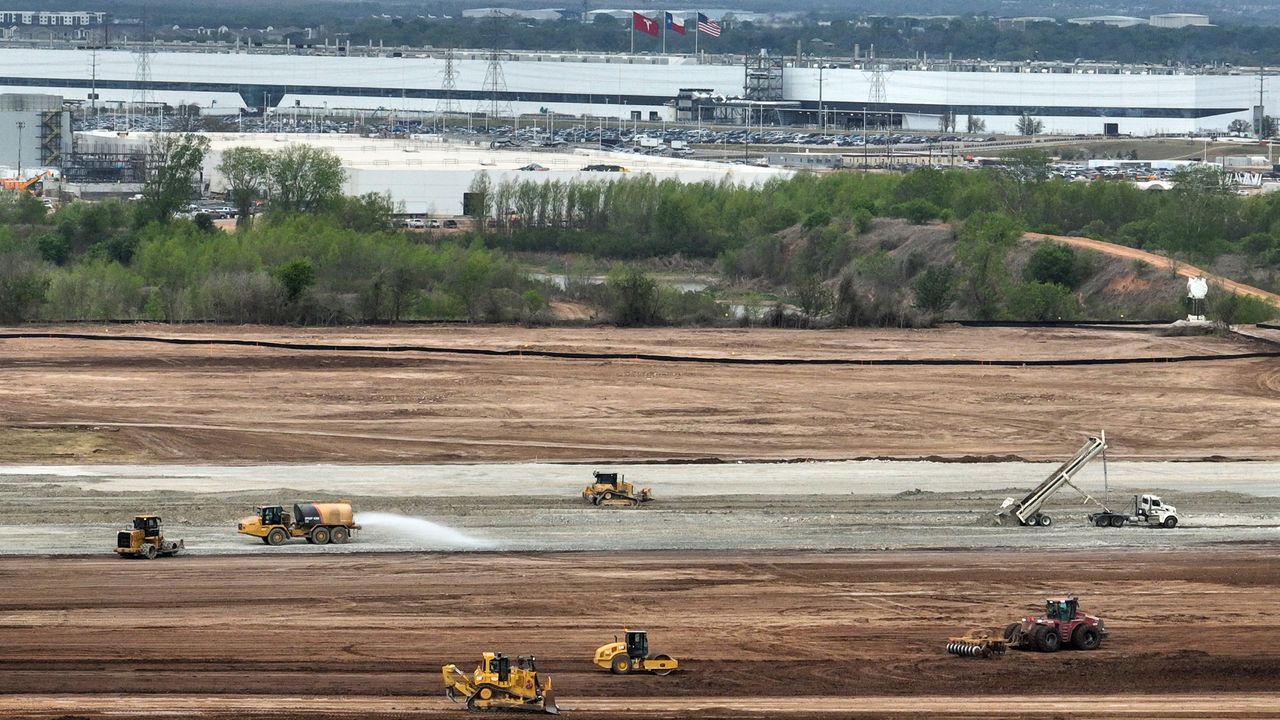
SpaceX has secured a 35-year, 100% property tax abatement for its proposed $55 billion TeraFAB semiconductor facility in Texas. Elon Musk argues the exemption is essential to compete with global chipmakers, while residents raise concerns over transparency, infrastructure, and environmental impacts.
The global competition for semiconductor manufacturing dominance, coupled with increased domestic pressure to onshore production, is driving aggressive incentive packages at state and local levels.
This event highlights the intense competition for critical technology infrastructure, the lengths governments will go to secure it, and the growing tension between economic development and local community concerns.
Texas is further solidifying its position as a major hub for semiconductor manufacturing through significant subsidies, potentially influencing other states to offer similar large-scale incentives to attract high-tech facilities.
- · SpaceX
- · Texas state and local economy
- · US semiconductor manufacturing capacity
- · Texas taxpayers
- · Local residents concerned about infrastructure and environment
- · Regions without similar incentive capabilities
SpaceX proceeds with the construction of a large-scale semiconductor factory due to significant tax benefits.
Other states and countries may increase their incentive offerings to compete with Texas for attracting major technology investments, leading to a subsidy race.
The concentration of critical infrastructure in areas with aggressive tax breaks could lead to imbalances in regional economic development and environmental strain, potentially impacting long-term sustainability.
This signal links to a primary source. Continuum Brief monitors and indexes it as part of the live intelligence stream — we do not republish source content.
Read at Tom's Hardware