Enhancing Industrial Automation: Why Compact Mini PCs Are Quietly Becoming the Default Choice for Robotic Controllers
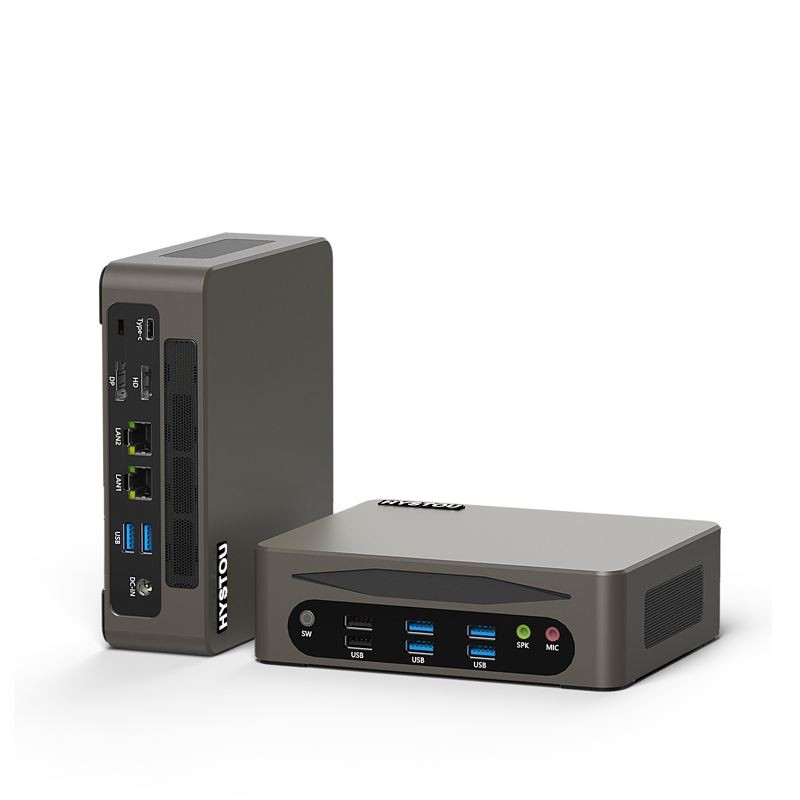
In most modern factories, the control cabinet has changed a lot compared to even a few years ago. There’s more happening inside it – vision systems, sensors, controllers, networking gear – and somehow engineers are expected to fit all of it into the same limited space. That’s where compact industrial computers have started to take […]
Mini PCs are becoming viable due to advancements in miniaturization, processing power, and efficiency, aligning with the increasing complexity and space constraints in industrial automation.
The adoption of compact industrial PCs impacts manufacturing efficiency, factory design, and the overall trajectory of industrial automation, offering more flexible and powerful control solutions.
Industrial control cabinets are becoming more densely packed with higher-performing, smaller computing units, enabling more sophisticated on-site processing for automation and robotics.
- · Manufacturers of compact industrial PCs
- · Factories adopting advanced automation
- · Robotics manufacturers
- · Edge AI software providers
- · Manufacturers of traditional, larger industrial PCs
- · Companies slow to integrate edge computing in automation
Increased efficiency and lower footprint for automated production lines.
Accelerated deployment of edge AI and machine vision in industrial settings due to integrated computing power.
Broader adoption of robotics in sectors where space or environmental constraints previously limited larger computational hardware.
This signal links to a primary source. Continuum Brief monitors and indexes it as part of the live intelligence stream — we do not republish source content.
Read at Robotics & Automation News