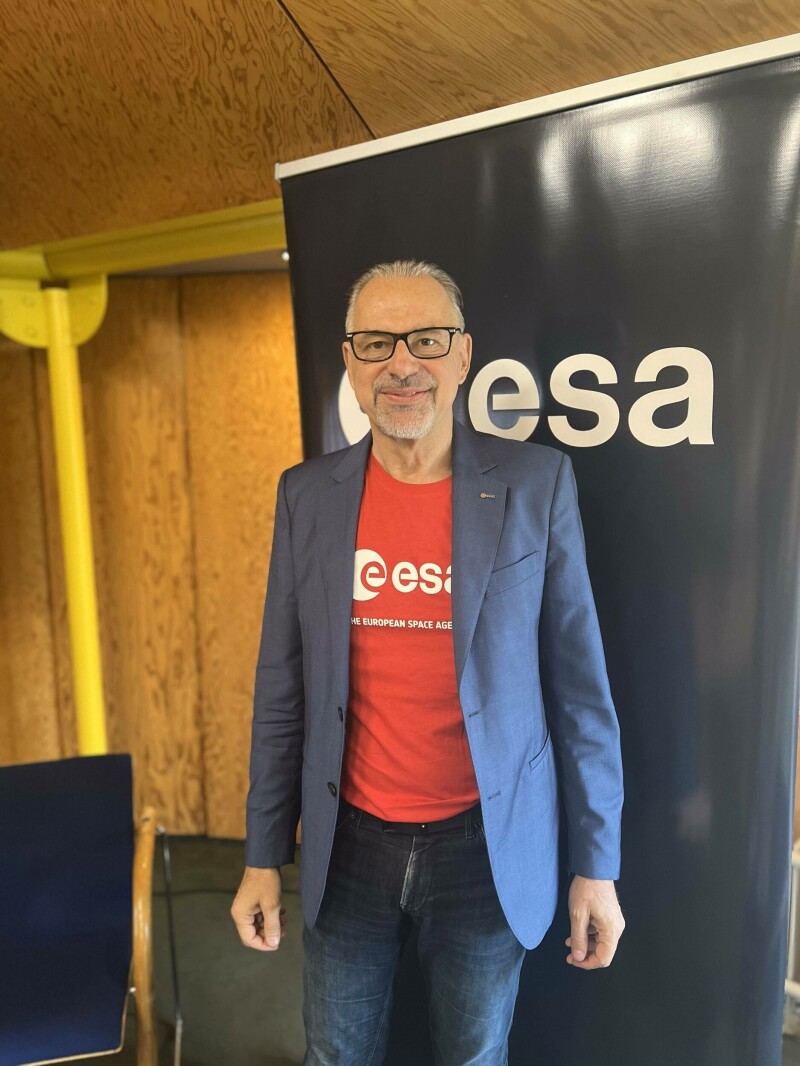
Are we pilots or are we passengers? Aschbacher asks
The comment by ESA's Director General reflects growing European ambition and frustration with perceived US dominance and unpredictability in space initiatives, aligning with broader geopolitical trends towards strategic autonomy.
A strategic reader should care as it indicates a potential recalibration of space cooperation models, pushing Europe towards greater independence in space infrastructure and scientific exploration, with implications for technology development and international partnerships.
The willingness of ESA to publicly question NASA's leadership suggests a possible pivot towards more independent European space programs, potentially leading to diverging priorities and investments from traditional joint ventures.
- · European space industry
- · ESA
- · European scientific community
- · NASA's unilateral decision-making authority
- · Traditional transatlantic space collaboration models
ESA may pursue more independent missions and develop proprietary technology, reducing reliance on US systems.
Increased competition or alternative collaborative frameworks could emerge in space exploration and infrastructure, involving other global powers.
A fragmentation of global space governance and standards, potentially leading to 'space blocs' rather than unified international efforts.
This signal links to a primary source. Continuum Brief monitors and indexes it as part of the live intelligence stream — we do not republish source content.
Read at The Register