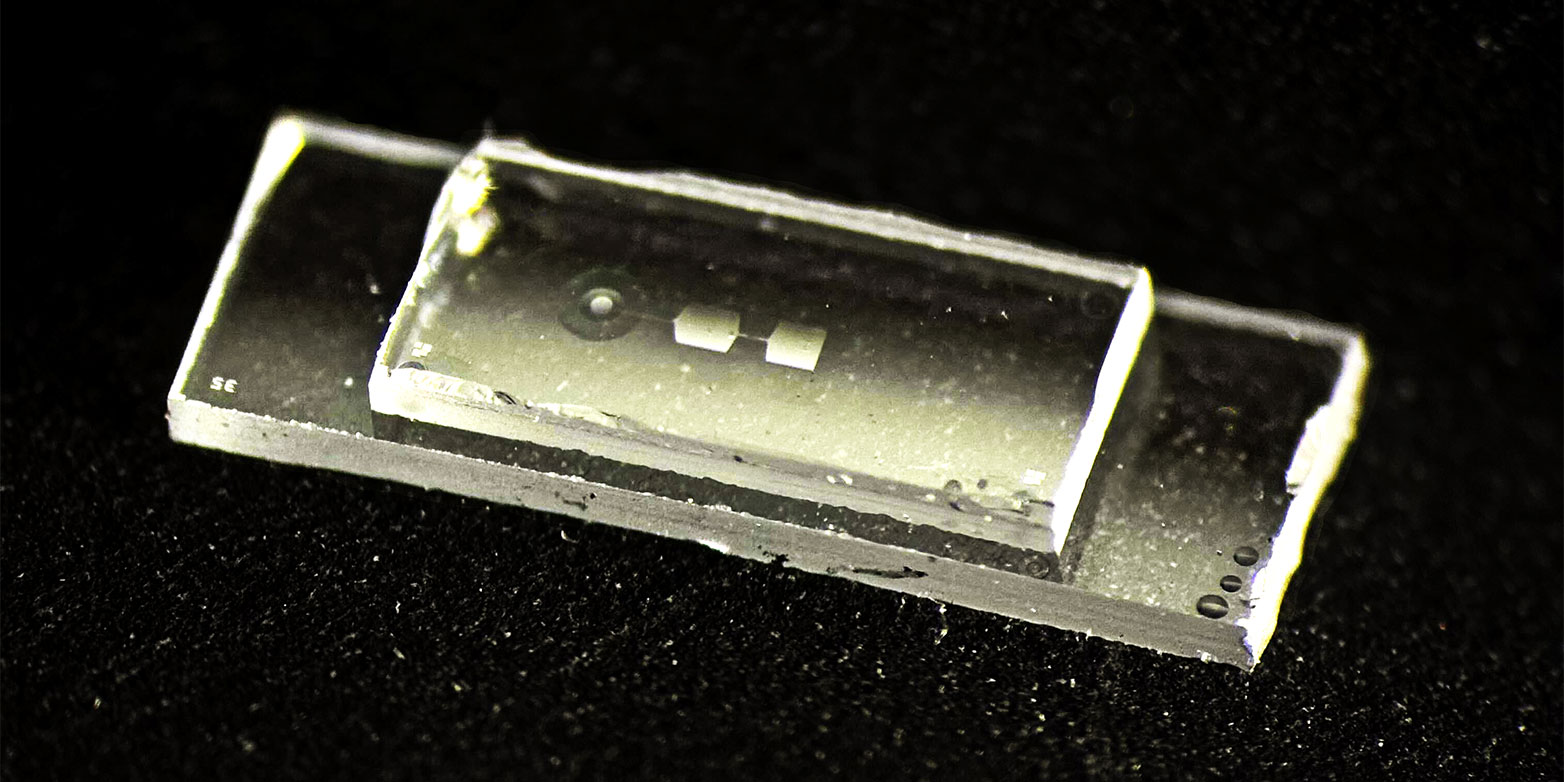
Insider Brief A team at ETH Zurich has demonstrated a new quantum computer architecture that uses tiny mechanical vibrations as working memory, offering an alternative to conventional electromagnetic quantum memory while separating computation and storage in a design that more closely resembles a modern digital computer. The work, published in Science, addresses a longstanding challenge […]
This development represents a significant step in quantum computing, addressing fundamental architectural challenges that have constrained progress.
A new quantum computer architecture with mechanical memory offers a novel approach to scaling quantum systems, potentially accelerating the development of fault-tolerant quantum computers.
The separation of computation and storage in quantum systems, inspired by classical computing, provides a new pathway for overcoming the limitations of current quantum memory technologies.
- · Quantum computing researchers
- · Quantum hardware manufacturers
- · Research institutions
- · Developers focused solely on electromagnetic quantum memory
- · Legacy quantum computing architectures
The demonstration validates a new architectural paradigm for quantum computers using mechanical memory.
This could lead to more robust and scalable quantum computing designs, enabling more complex quantum algorithms.
Accelerated development of practical quantum computers could impact fields like material science, drug discovery, and cryptography over the long term.
This signal links to a primary source. Continuum Brief monitors and indexes it as part of the live intelligence stream — we do not republish source content.
Read at The Quantum Insider