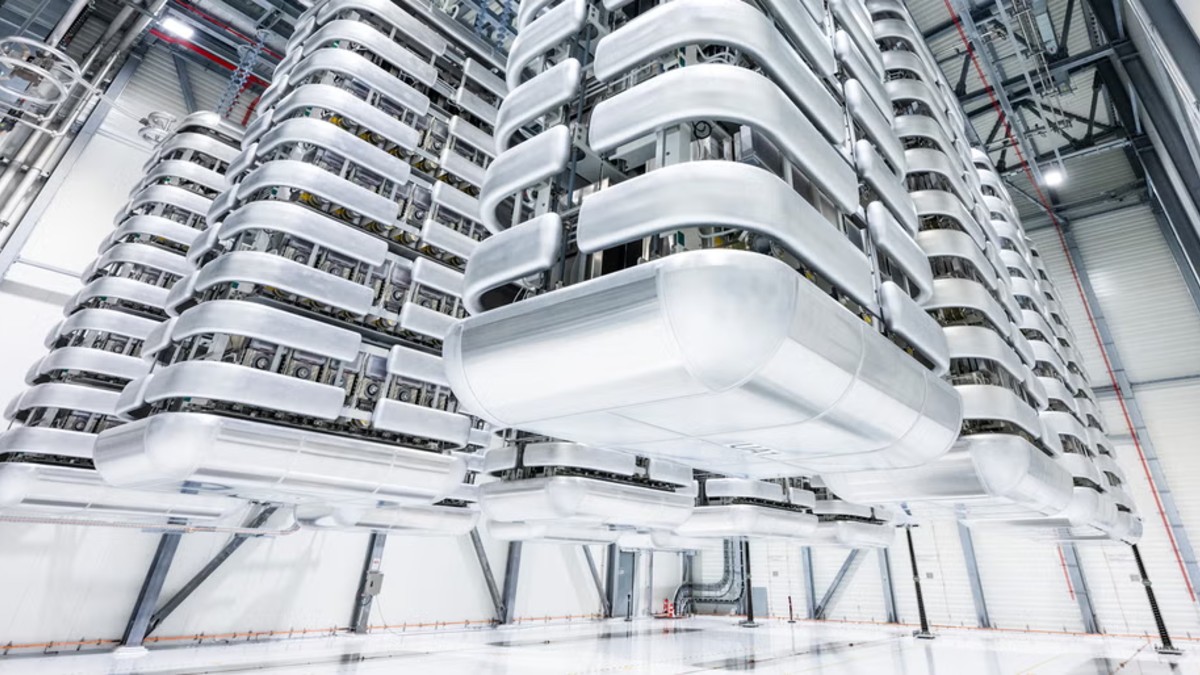
Italy and Tunisia have taken a major step toward building the first DC power link between Europe and North Africa.
The global push for energy diversification and grid resilience, coupled with geopolitical realignments, is accelerating such infrastructure projects.
This project represents a tangible step towards a more integrated and stable Mediterranean energy grid, with implications for energy security and regional stability for Europe.
Europe gains a new, direct link to North African energy, diversifying its supply and strengthening its energy independence from traditional sources.
- · Italy
- · Tunisia
- · European Union
- · Renewable energy developers
- · Traditional fossil fuel suppliers to Europe (on the margin)
- · Countries with less diversified energy grids
The undersea power link will directly enhance energy security for Italy and provide a new revenue stream for Tunisia.
It will likely incentivize further investment in renewable energy projects in North Africa, facilitating export to Europe.
This could set a precedent for more extensive energy infrastructure integration across the Mediterranean, fostering greater economic and political ties between the two continents.
This signal links to a primary source. Continuum Brief monitors and indexes it as part of the live intelligence stream — we do not republish source content.
Read at Electrek