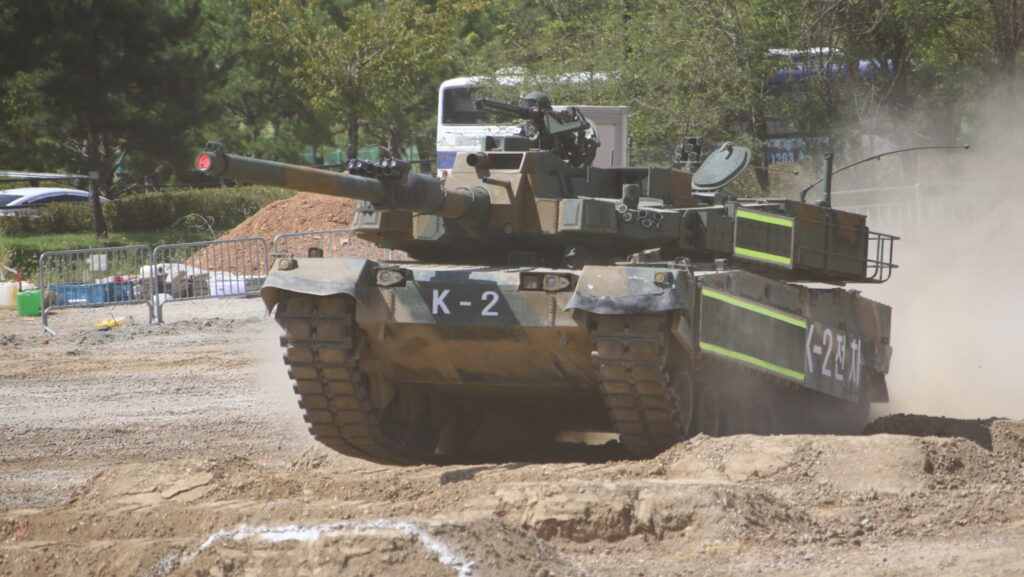
“When they come to the US and say, ‘We would like to buy the system’ …they are told, ‘Okay, but [it will be delivered in ] 2029-2030 and you know, it still could be delayed,’” said Poland’s Military Representative to NATO, Lieutenant General Piotr Błazeusz.
The ongoing conflict in Ukraine has exposed the limitations of Western defence industrial capacity, leading to increased demand while supply remains constrained.
This highlights a critical bottleneck in Western military support and modernization efforts, forcing European nations to rethink their defence procurement strategies and industrial dependencies.
European nations are increasingly aware of long lead times for US military hardware, potentially accelerating efforts to develop domestic defence capabilities and diversify foreign military suppliers.
- · European domestic defence industries
- · Non-US military hardware suppliers
- · NATO's European pillar
- · US defence exporters (in certain segments)
- · European nations reliant solely on US FMS
- · Ukraine (due to delayed deliveries)
European nations experience significant delays in obtaining critical US military systems, impacting their modernization and defence readiness.
This pressure will likely accelerate investment in European defence industrial capacity and foster greater intra-European defence cooperation and procurement.
A more self-sufficient European defence industrial base could alter the transatlantic security dynamic and potentially reduce US influence in European defence planning.
This signal links to a primary source. Continuum Brief monitors and indexes it as part of the live intelligence stream — we do not republish source content.
Read at Breaking Defense