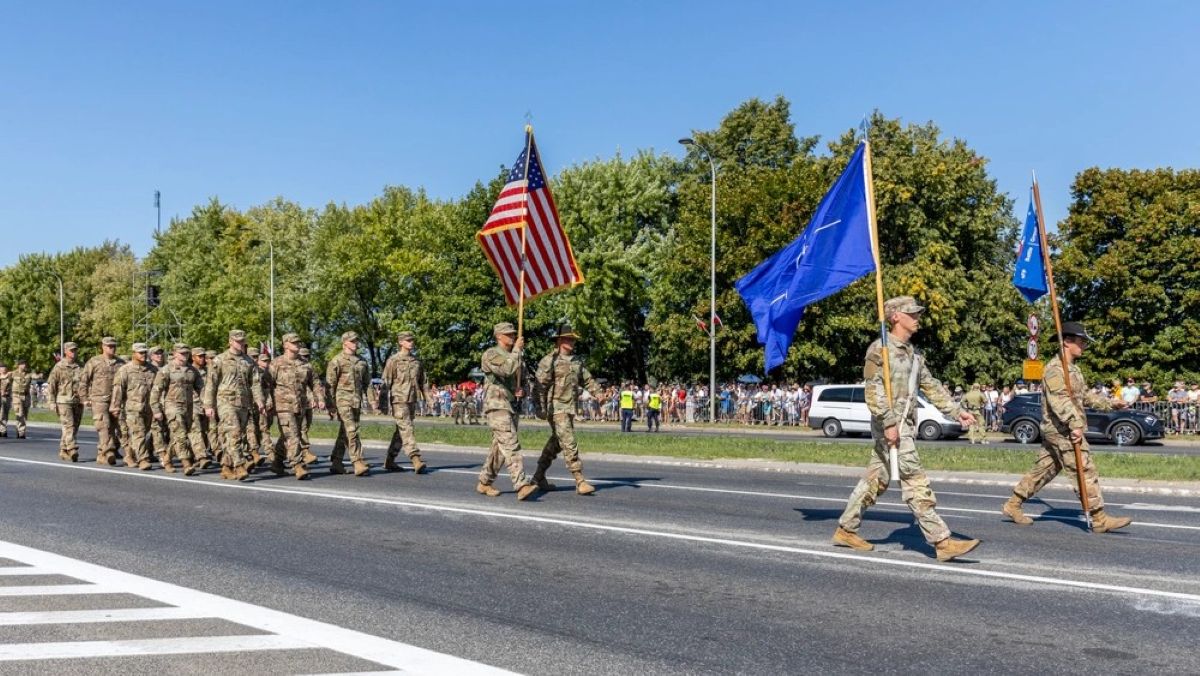
Every time reports emerge about a potential reduction of U.S. forces or capabilities in Europe, the old continent falls into the same cycle of anxiety and panic. The same applies to announcements about delayed or suspended deployments, planned rotations, or broader force posture reviews.A brief historical reminder here is necessary. The 2014 Wales Defense Investment Pledge is still often misunderstood in Europe as little more than an American demand for higher defense spending. In reality, it reflected something broader already taking shape in Washington: the expectation that Europe would grad
The article appears amidst ongoing discussions about the US role in European security and persistent European anxieties regarding alliance commitments.
This highlights the continuing challenge for European states to develop independent defense capabilities and the persistent reliance on US security guarantees, impacting long-term strategic autonomy.
It reinforces the understanding that US expectations for European defense spending are not merely financial but reflect a broader demand for increased European agency in security matters, a perspective often misconstrued.
- · European Defense Industrial Base
- · NATO (if burden-sharing improves)
- · European States reliant on US security
- · US taxpayers (if burden-sharing doesn't improve)
European nations will likely face renewed pressure to increase defense spending and coordinate military efforts.
This pressure could accelerate the development of a more integrated European defense strategy and capabilities, potentially leading to increased indigenous defense production.
A stronger, more autonomous European defense posture could alter NATO's structure and operations, shifting the balance of responsibilities within the alliance and potentially influencing global power dynamics.
This signal links to a primary source. Continuum Brief monitors and indexes it as part of the live intelligence stream — we do not republish source content.
Read at War on the Rocks