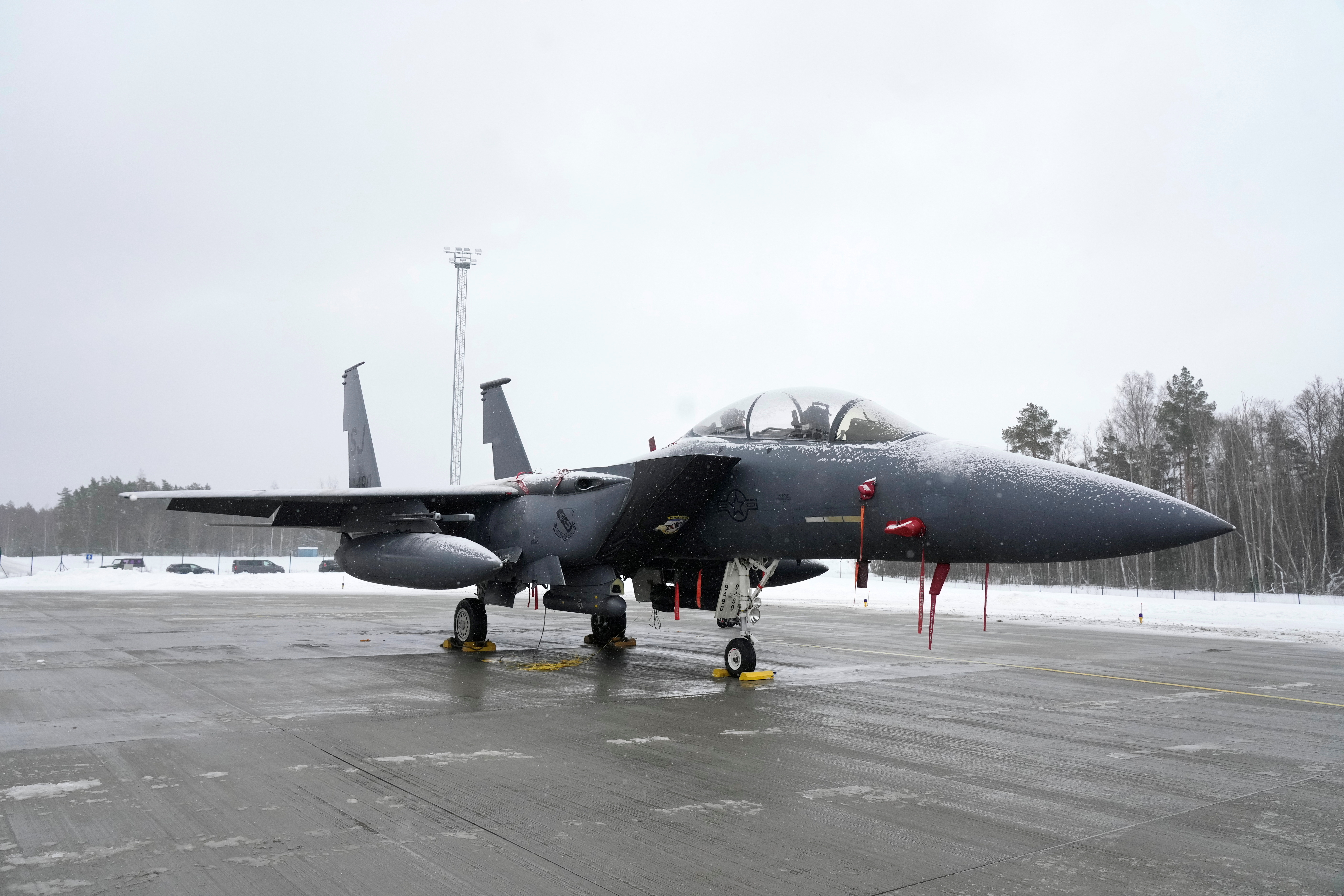
The U.S. told its allies in May that it had decided to shrink the pool of military capabilities committed to the transatlantic alliance in a crisis.
The US is reducing its military commitments to NATO, forcing European allies to increase their own defense capabilities at a time of heightened geopolitical tension.
This development signals a significant recalibration of transatlantic defense responsibilities, potentially leading to a more independent European defense posture and increased military spending within Europe.
Europe will now be primarily responsible for filling critical capability gaps within NATO, shifting the burden of alliance defense away from the US.
- · European defense industry
- · NATO's European members
- · Governments prioritizing defense spending
- · US defense spending allocations
- · US military presence in Europe
European nations will increase their defense budgets and military procurements to meet the new demands.
This could accelerate the integration and standardization of European defense capabilities, potentially leading to a stronger European defense union.
A more self-reliant European defense might influence global power dynamics and alliance structures, possibly reducing US strategic leverage in some contexts.
This signal links to a primary source. Continuum Brief monitors and indexes it as part of the live intelligence stream — we do not republish source content.
Read at Defense News